
A cultural, spiritual and geographical guide to all the destinations on the itinerary.
This dossier expands on the itinerary through Delhi, Amritsar, Dharamshala / McLeod Ganj, Kangra and Baijnath, Leh, Changthang, Pangong, Tsomoriri, Lamayuru, Alchi, Likir, Spituk, Shey and Hemis. It is written as background reading, with a geographical, historical, religious, cultural and spiritual focus.
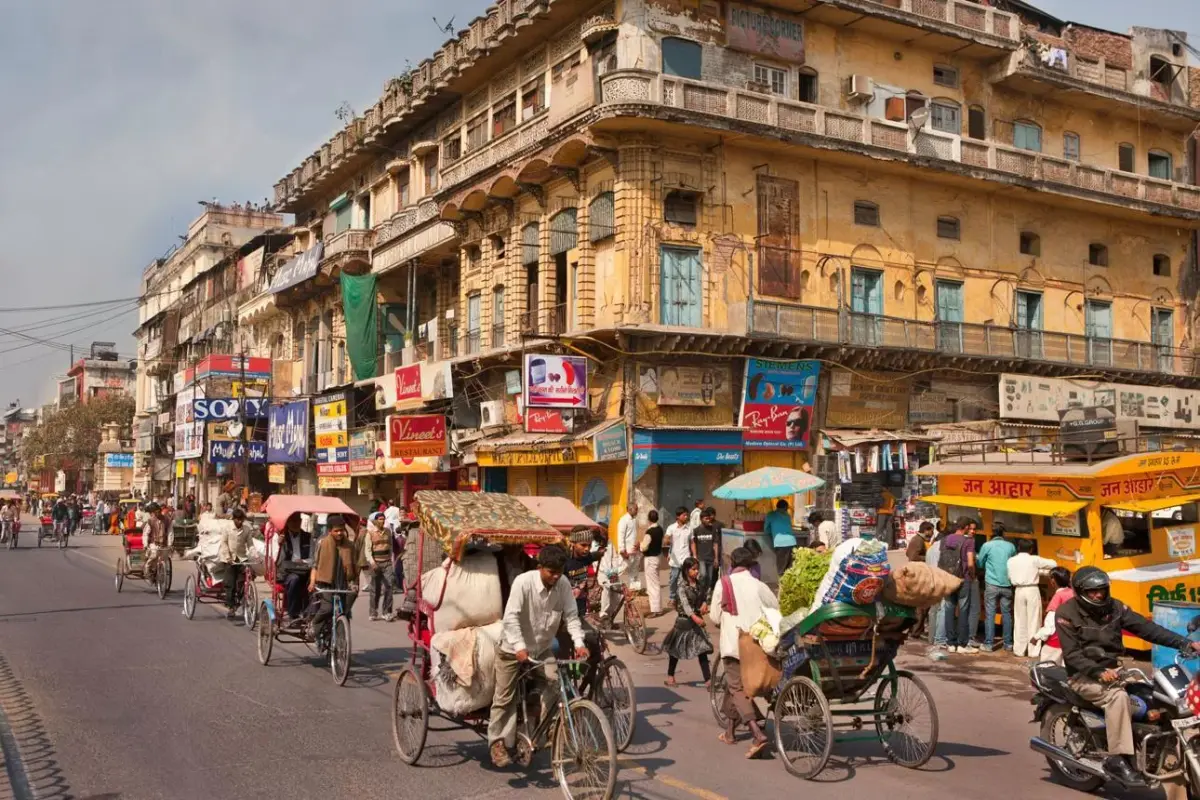
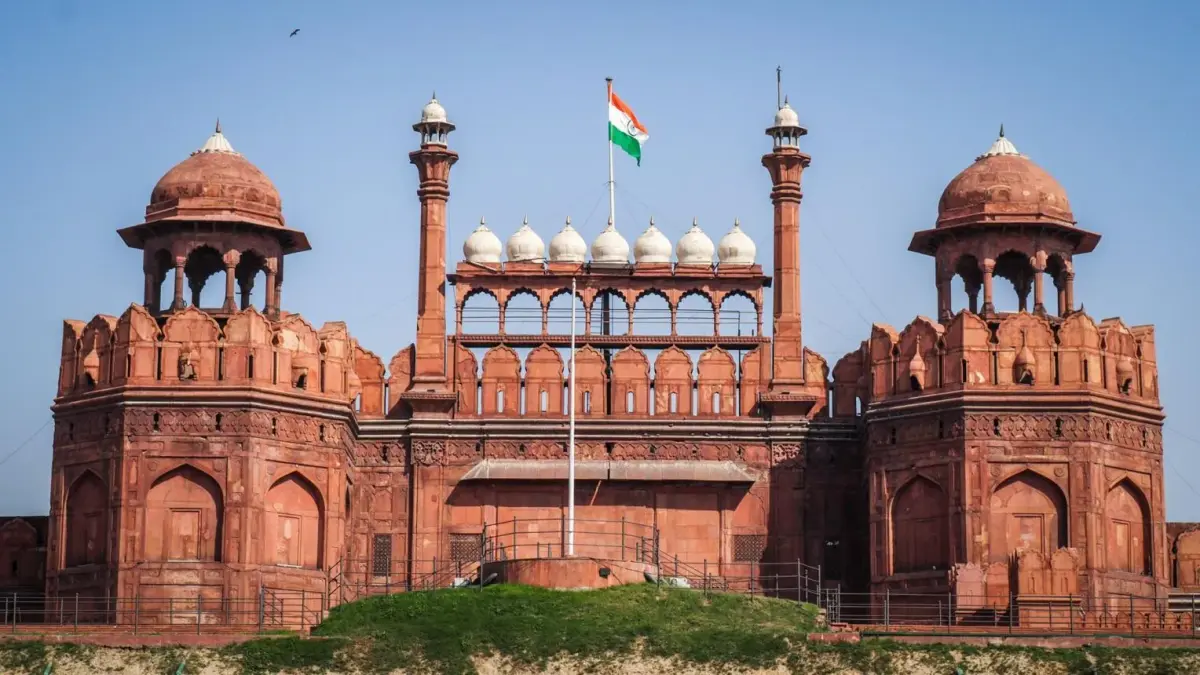
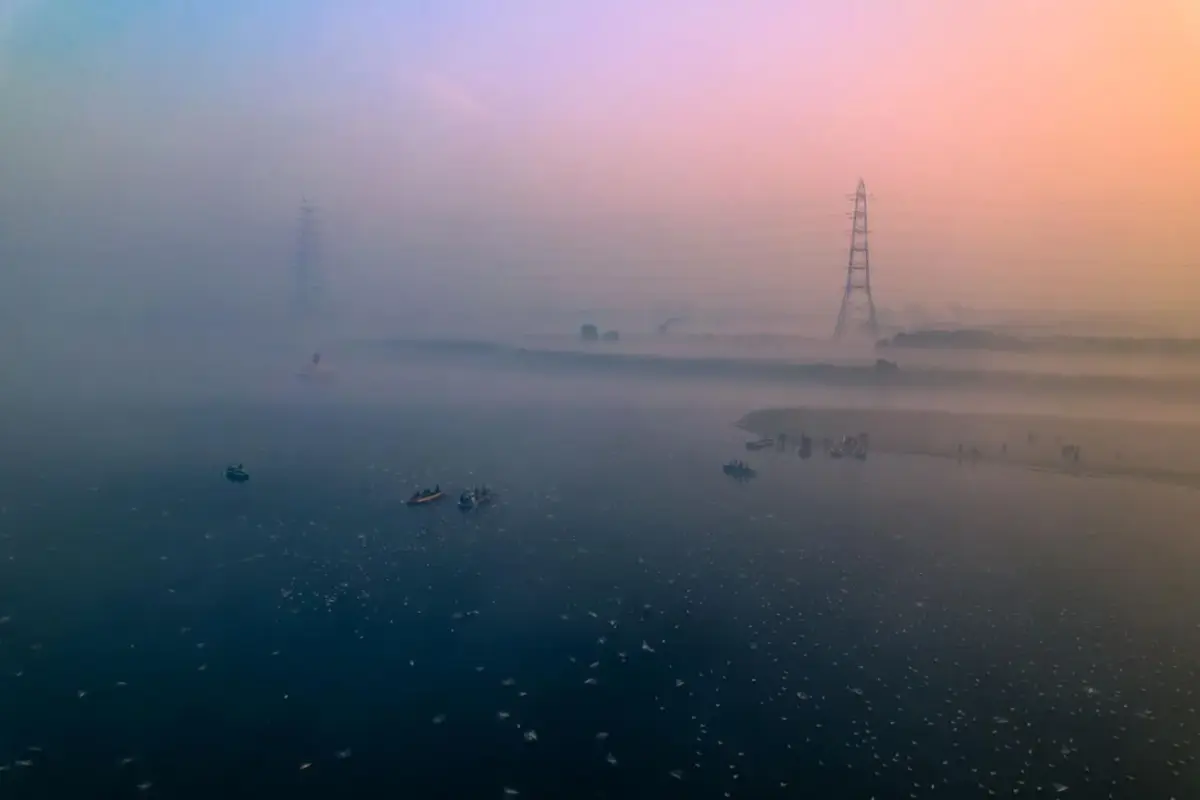
The route can be understood as a gradual ascent from the Indo-Gangetic plain to one of the highest and harshest inhabited landscapes in Asia. Along the way it is not only altitude and climate that change, but ways of living: from the imperial city to the sacred city, from the green valley to the cold desert, from mountain tourism to monastic and nomadic life.
That progression gives the journey a strong logic for yoga and meditation, because the movement itself works as an experience of letting go, silence and adaptation.
Religiously, the route is a coexistence of traditions:
To that is added a mountain culture in which landscape, spirituality and economy cannot be separated.
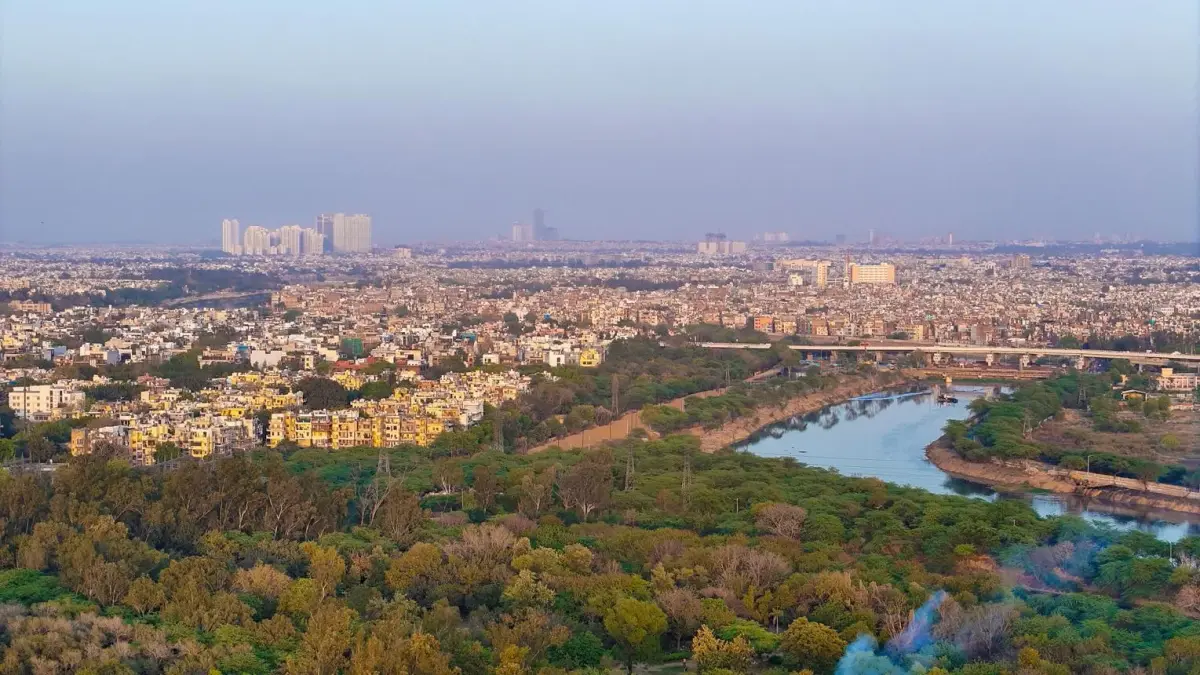
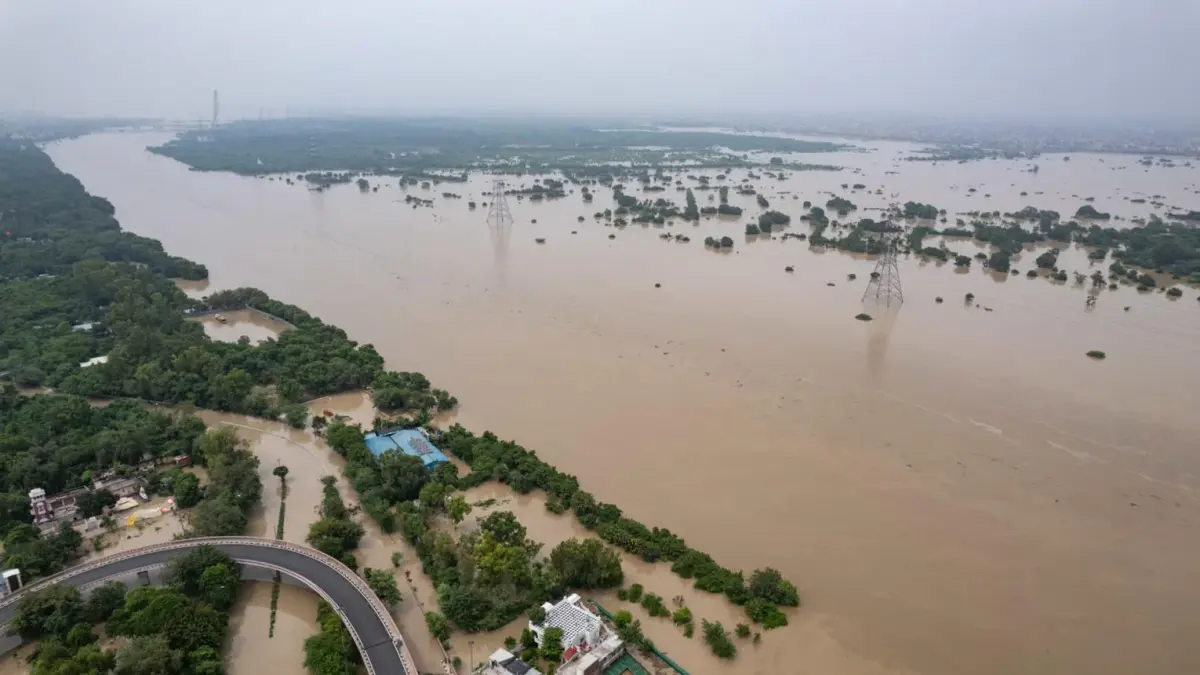
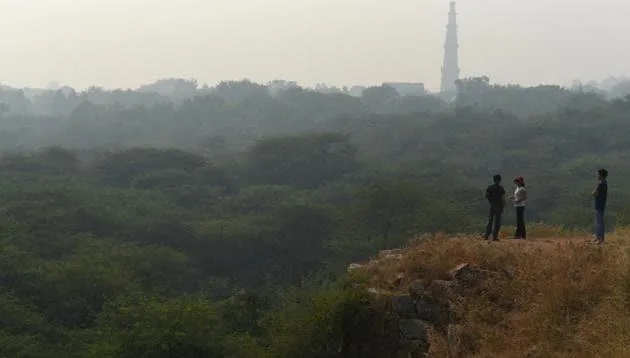
Delhi is the urban starting point and one of the historically most complex cities in India. Its identity comes from successive imperial layers: Mughal power, British colonisation and its present role as the country's capital. For the traveller, Delhi is contrast: noise, traffic, monument, market and diversity gathered in a single city.
Within the journey, Delhi works as a threshold: it stands for the world left behind before entering the Himalaya.
Delhi is not one city but the superposition of at least seven historic ones:
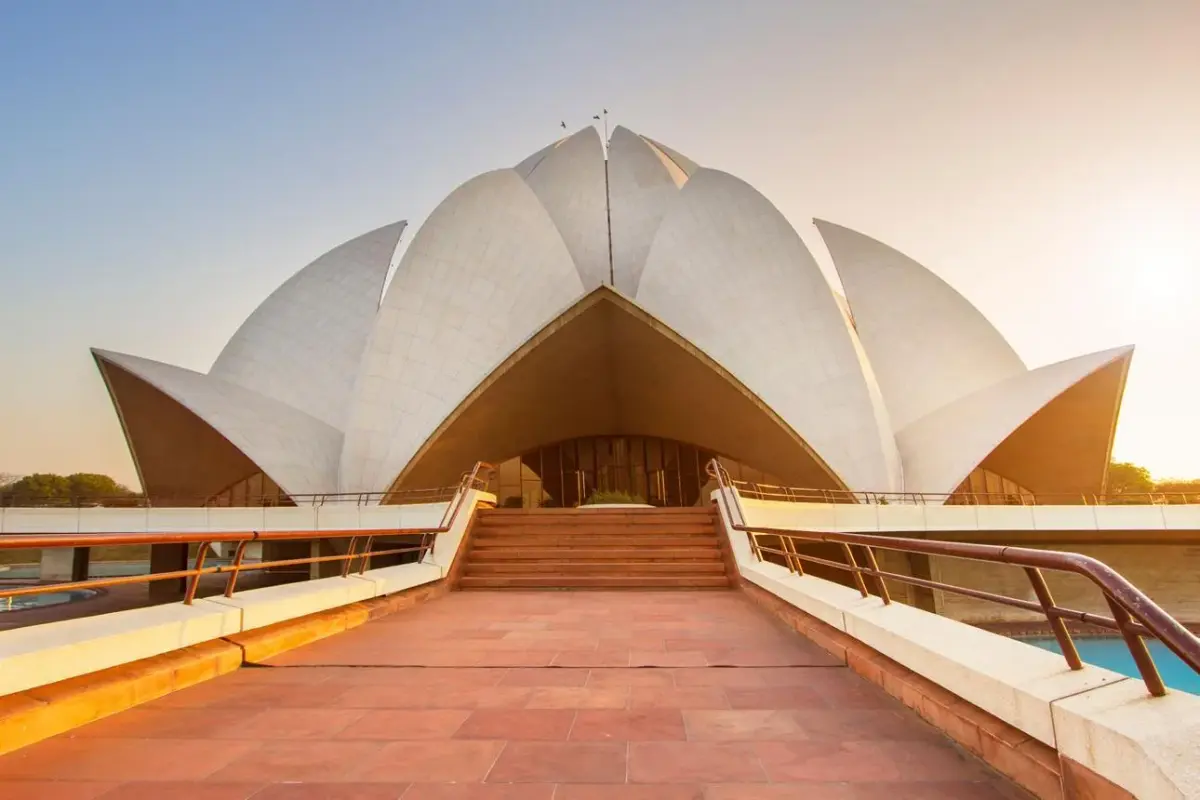
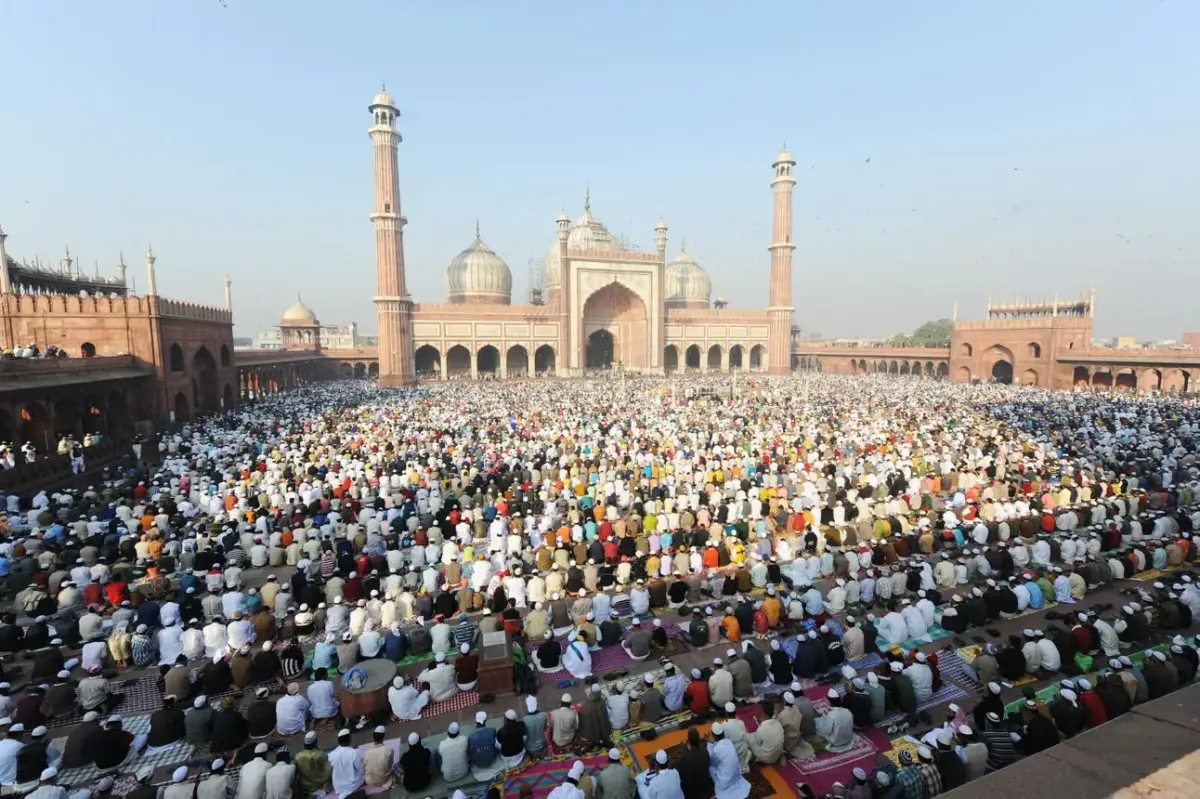
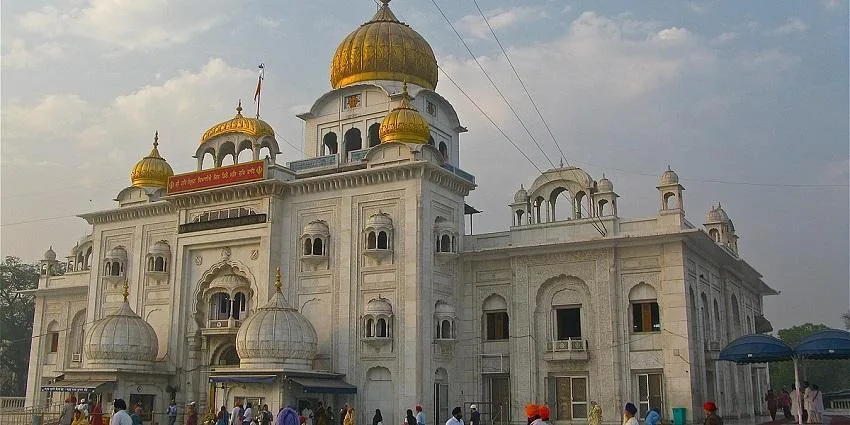
Despite its urban character, Delhi is deeply spiritual. Hinduism, Islam, Sikhism and Jainism live side by side. Spirituality is not set apart from daily life: it shows up in rituals, street shrines, chanting and offerings.
Delhi shows a spirituality embedded in the chaos: the sacred does not withdraw from the world, it runs through it.
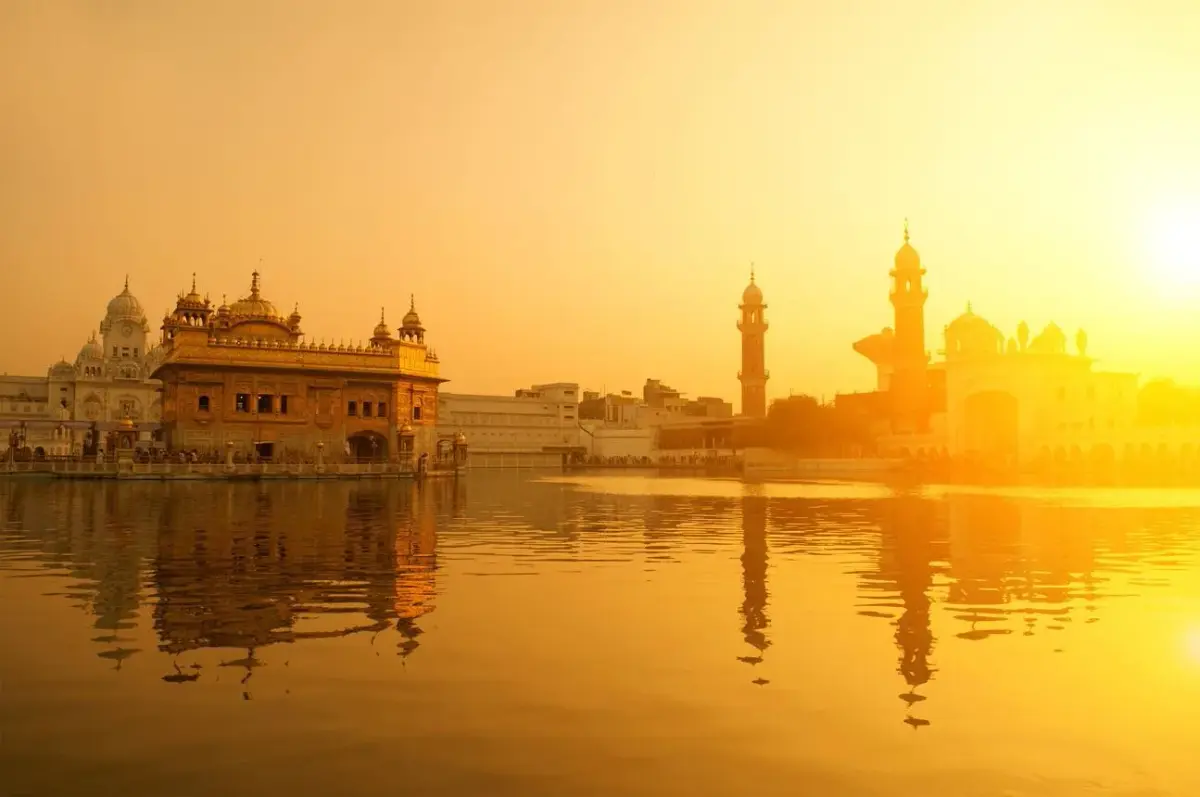
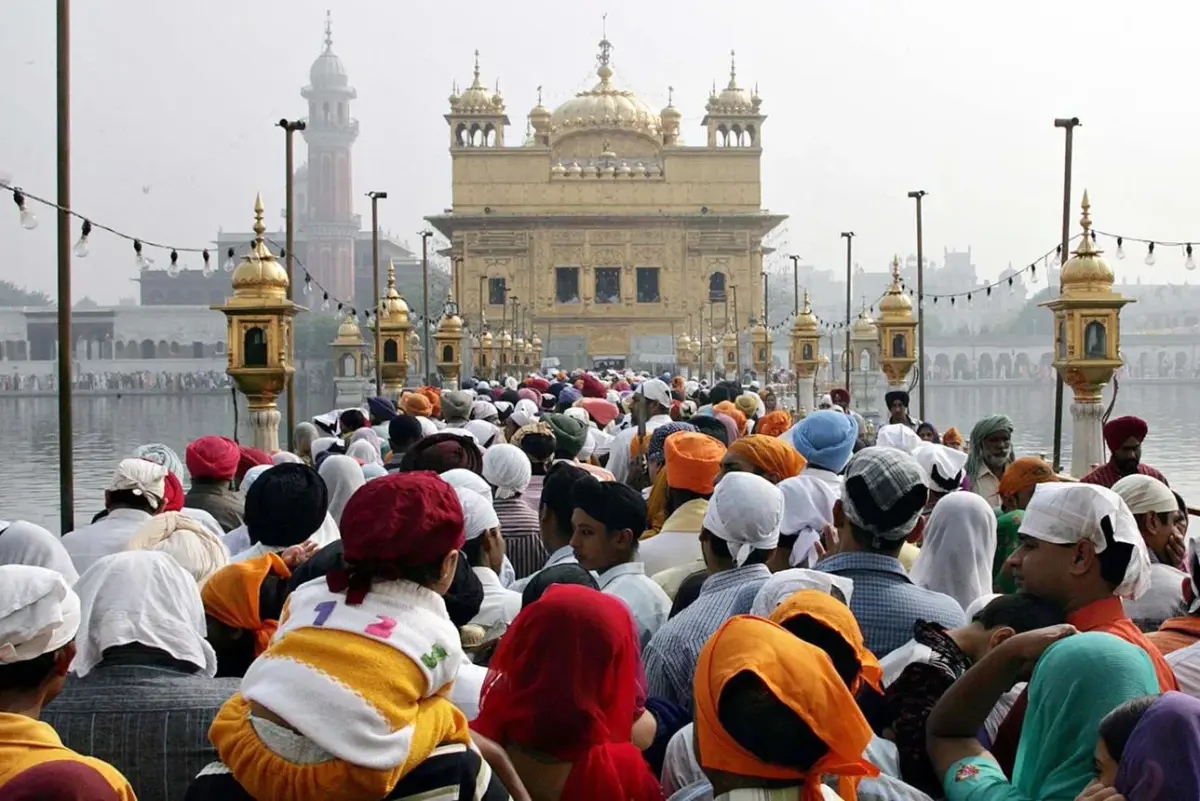
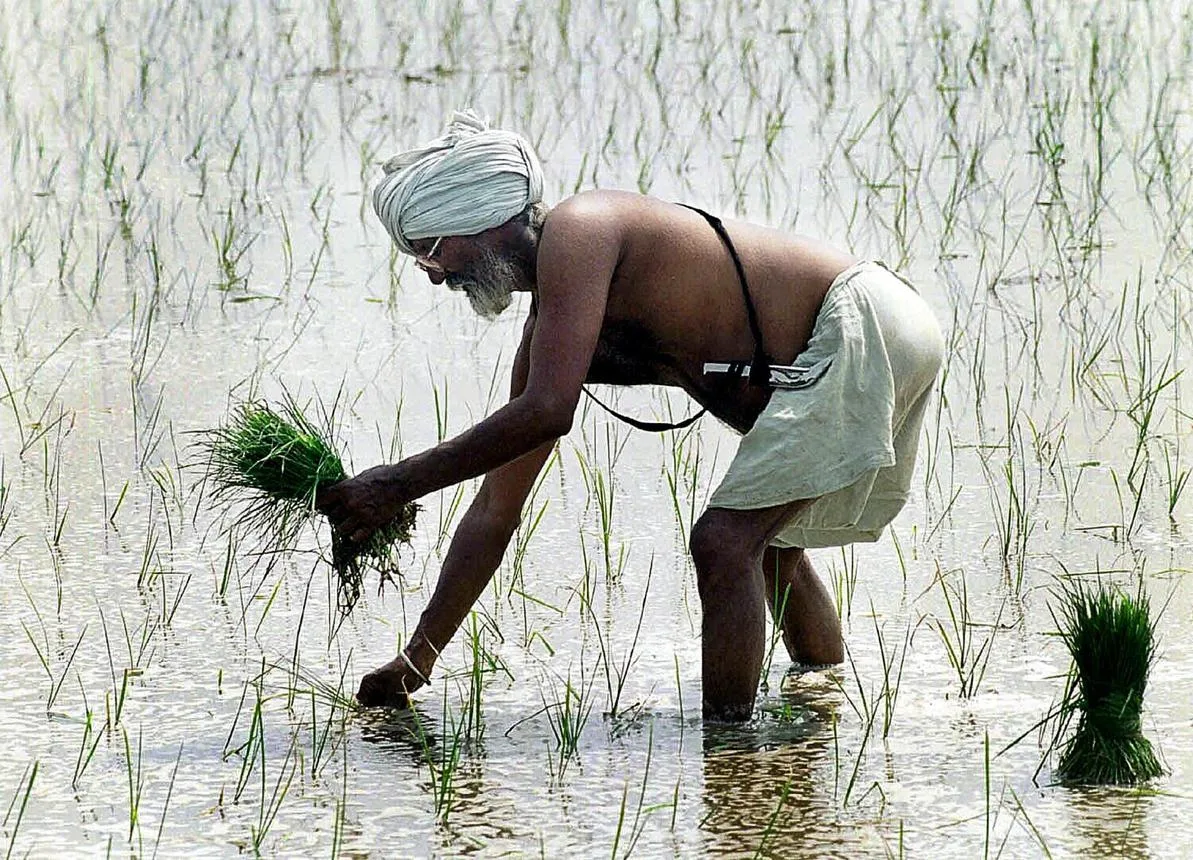
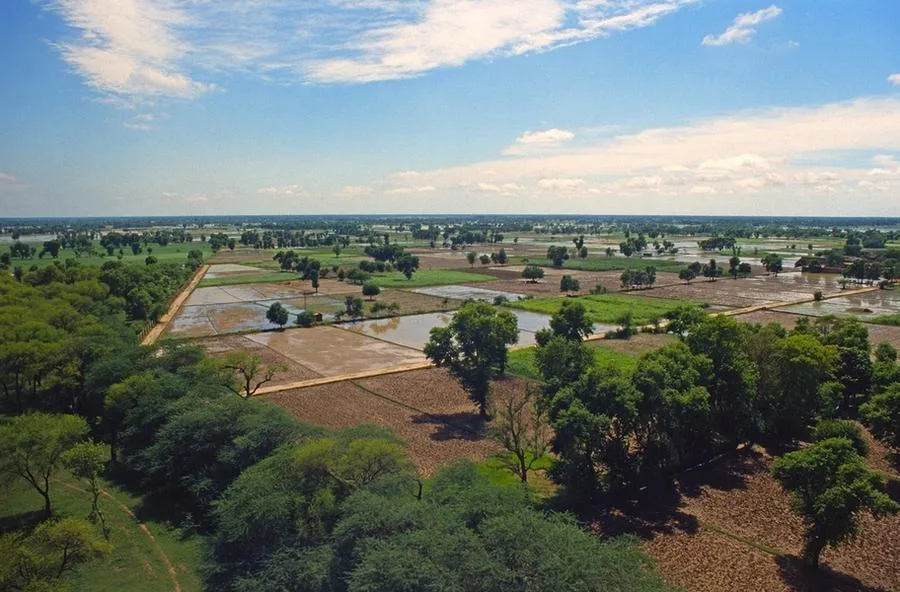
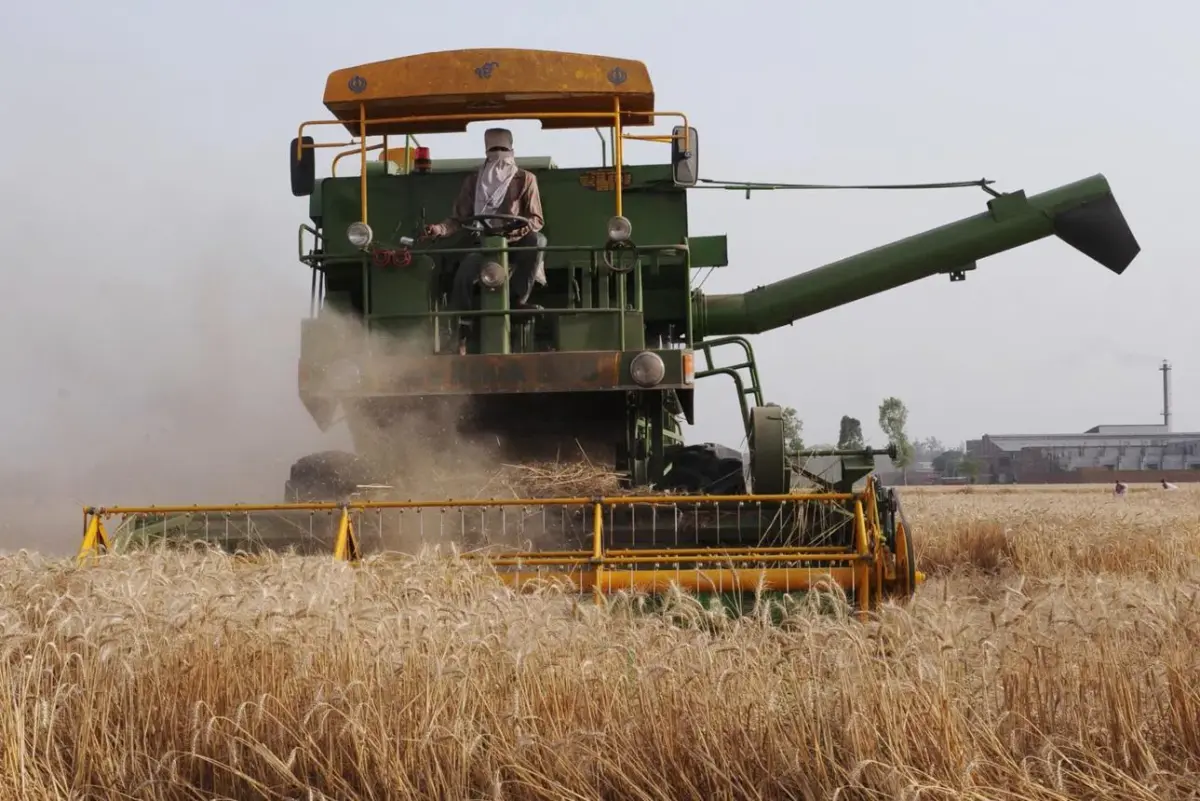
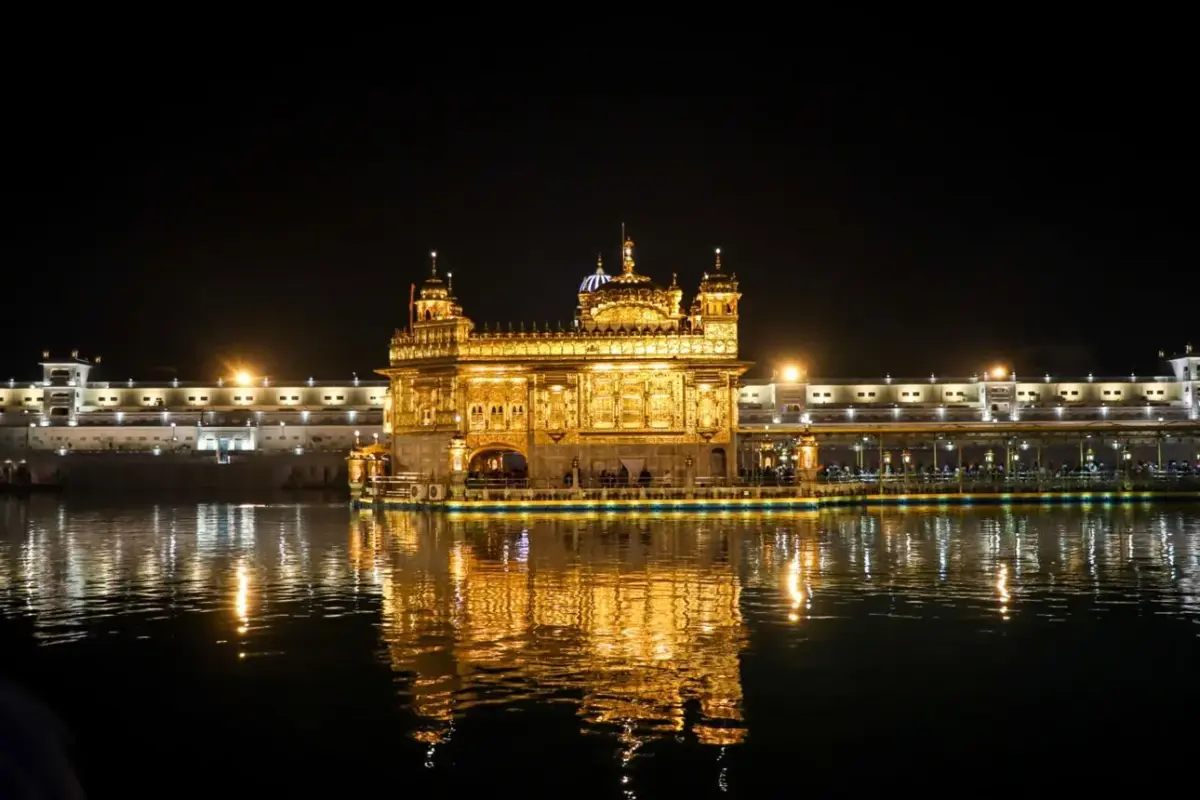
Amritsar is the great spiritual city of Sikhism. At its centre, the Harmandir Sahib or Golden Temple is the principal Sikh place of pilgrimage and a worldwide symbol of hospitality, service and religious memory.
Amritsar was founded in the 16th century as the sacred city of Sikhism, on the principles of devotion, equality and the rejection of caste divisions.
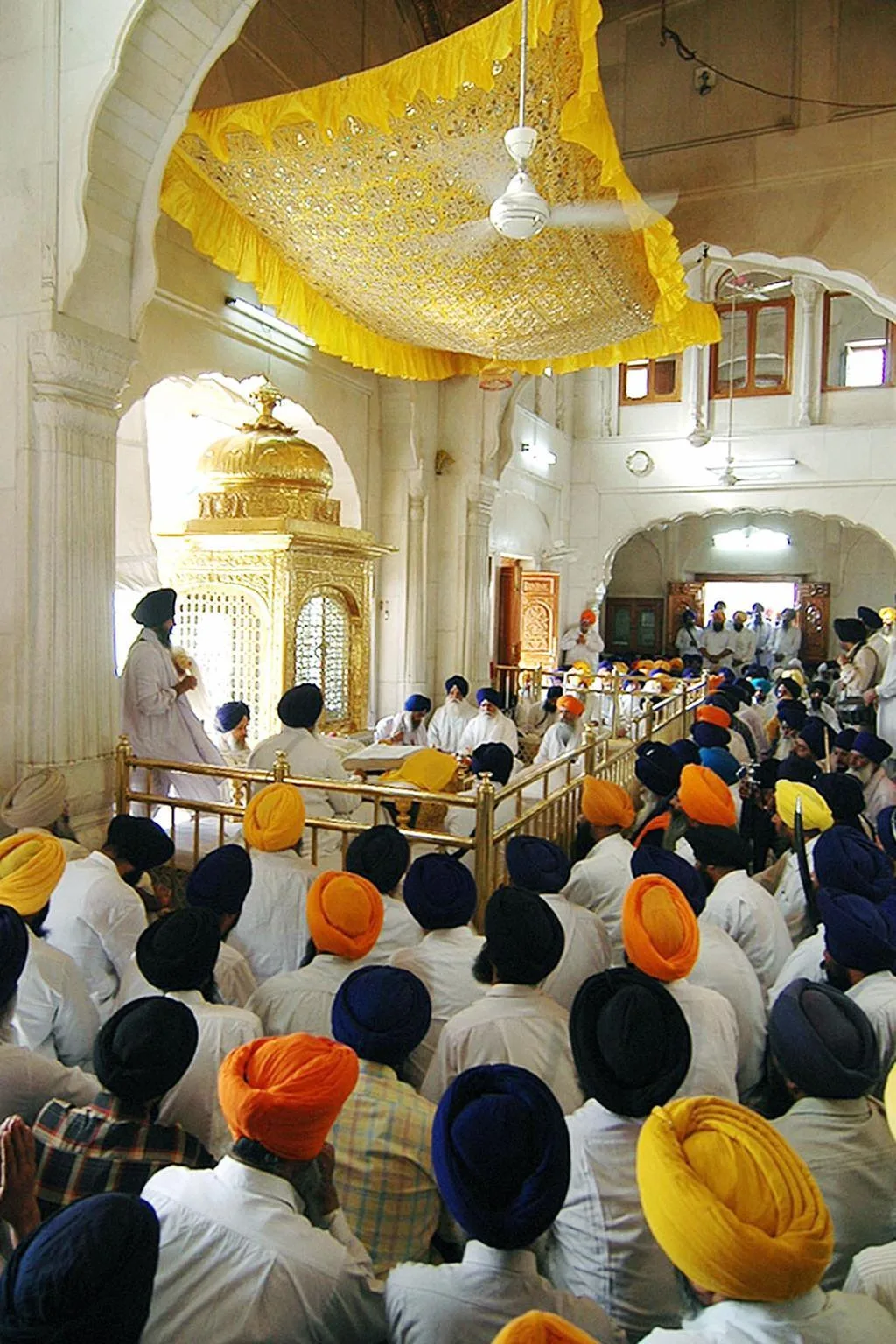
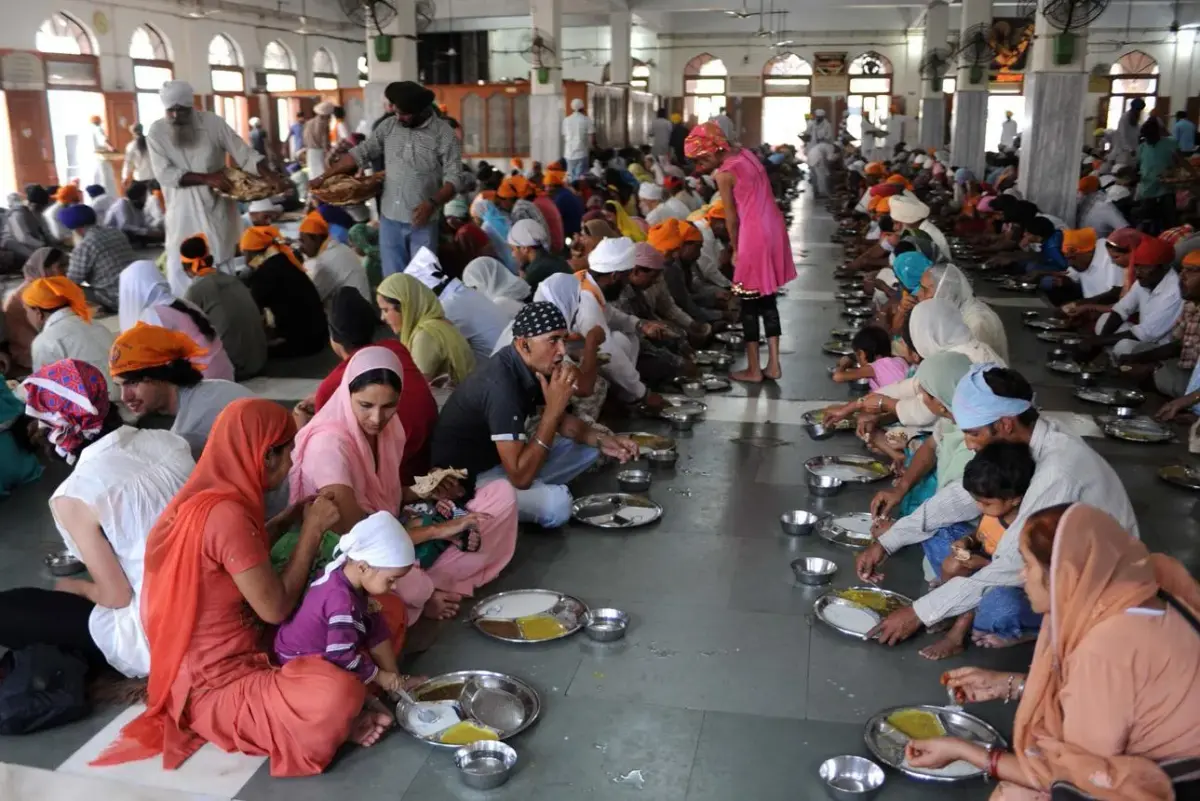
Sikh culture is expressed with great force in Amritsar:
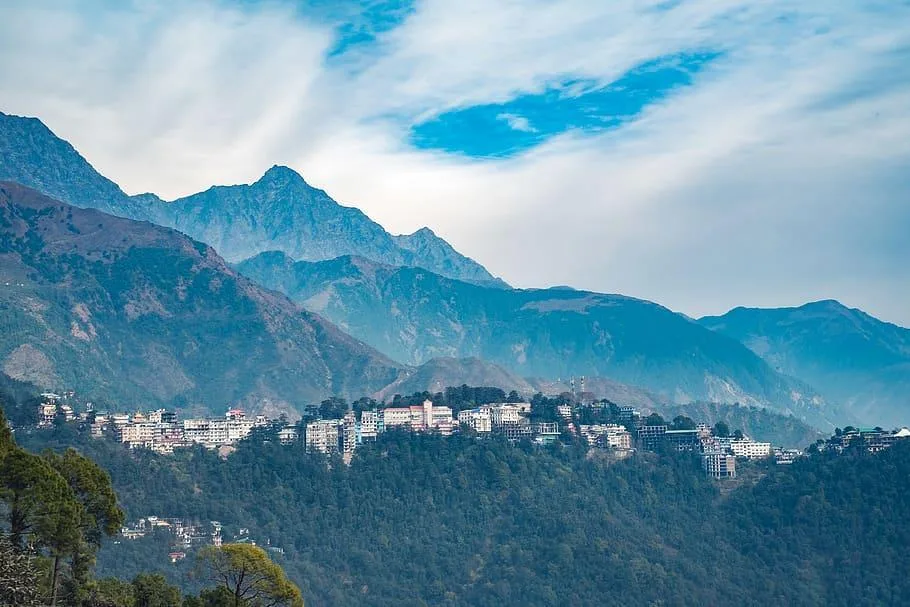
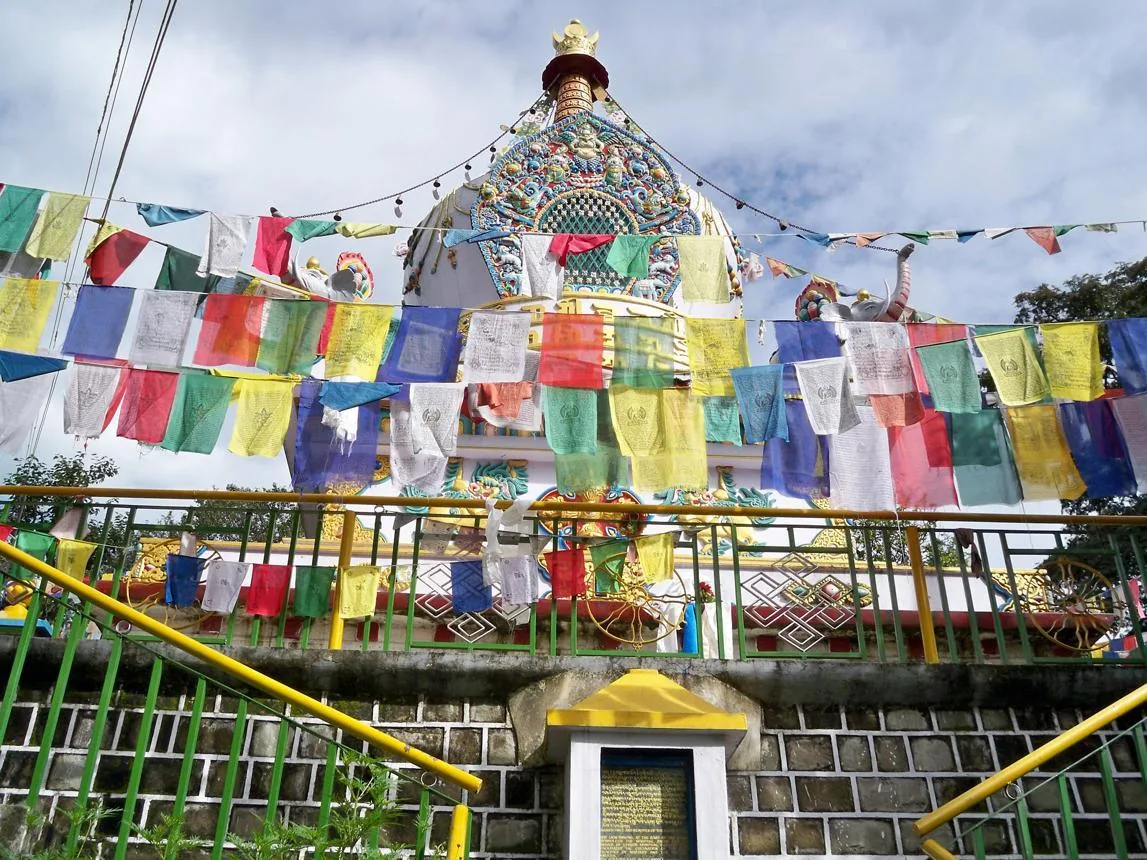
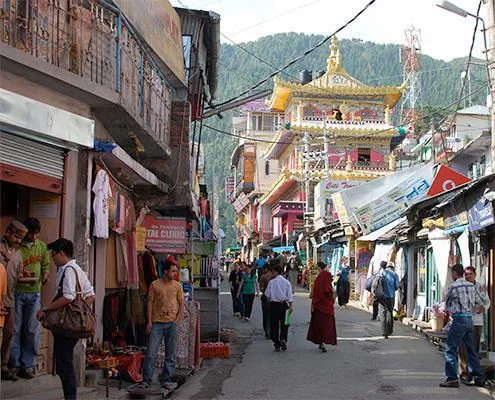
If Delhi is impact and multiplicity, Amritsar introduces something different: it is a space of gathering-in within active life. It marks a passage from the urban towards the essential, preparing the way for regions that are more introspective still.
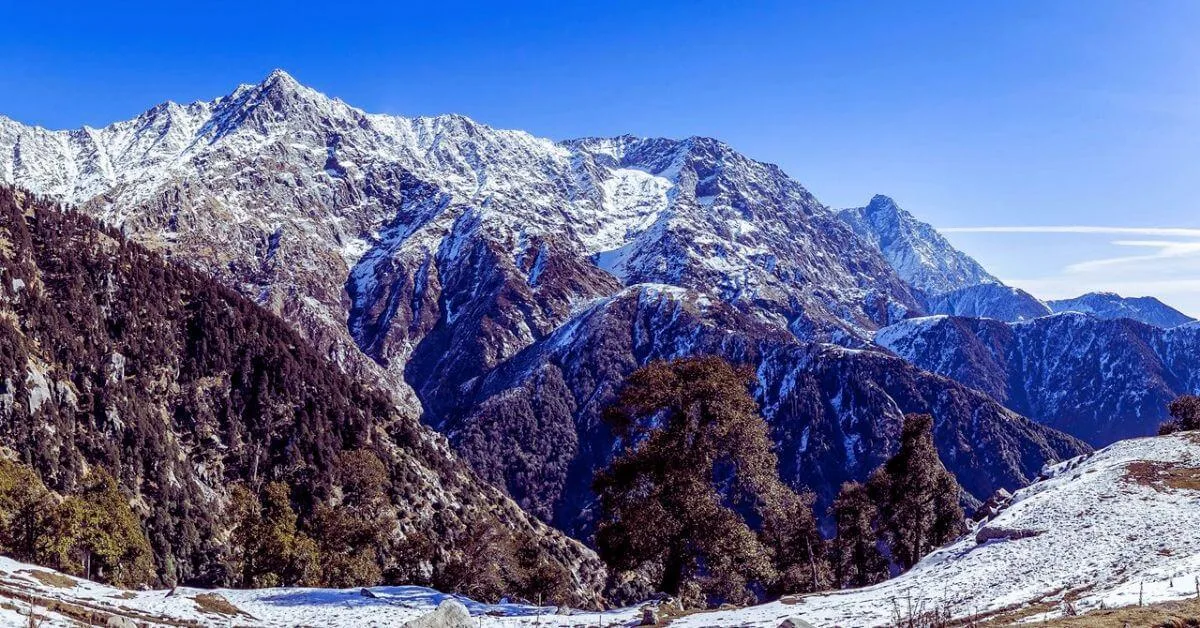
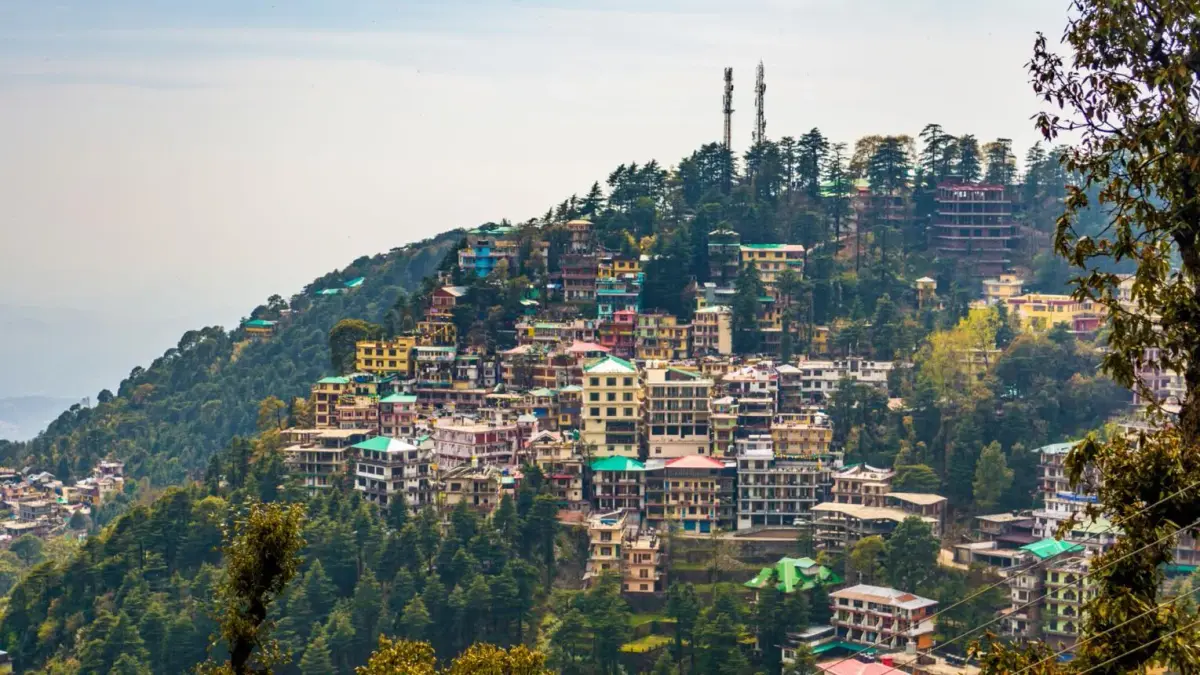
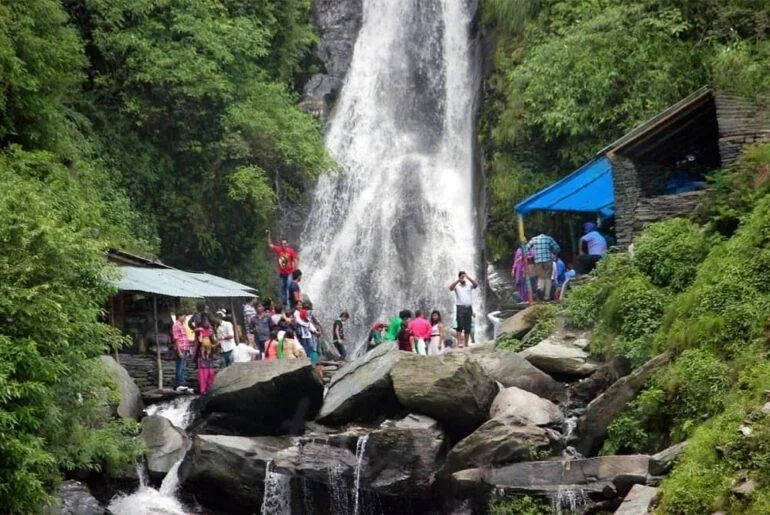
Dharamshala is one of the most important places of the Tibetan exile in the world. The 14th Dalai Lama lives here, and it concentrates cultural, religious and political institutions linked to the Tibetan community in exile.
Monasteries, schools, libraries and teaching centres have been rebuilt here, keeping the Tibetan tradition alive outside its original territory.
Dharamshala is one of the great centres for the study and practice of Tibetan Buddhism:
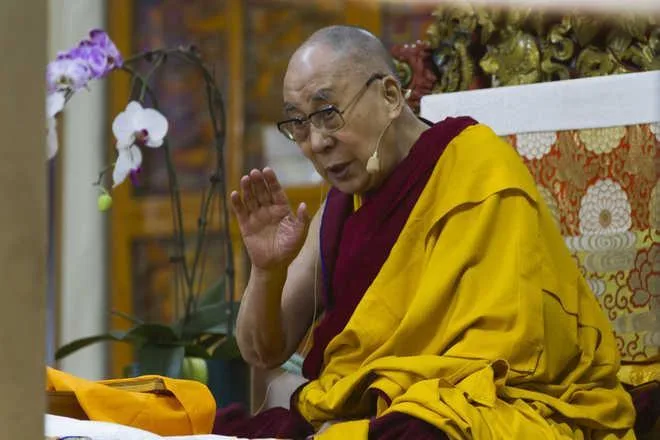
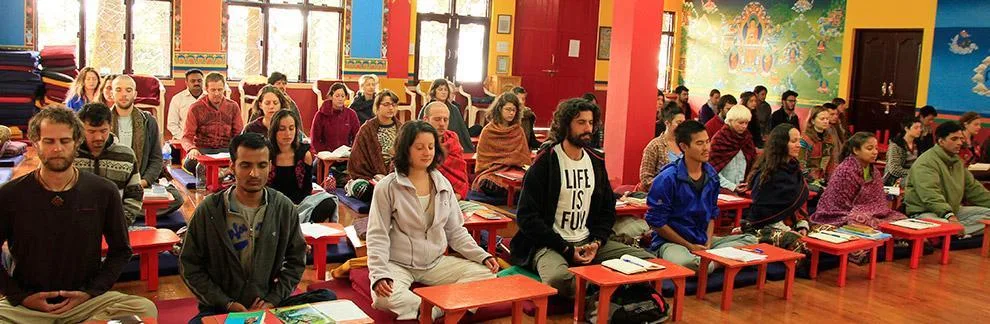
Within the itinerary, Dharamshala marks a deep change: from external impact (Delhi) and active devotion (Amritsar) the journey turns to introspection. It is a place to stop, study and watch the mind.
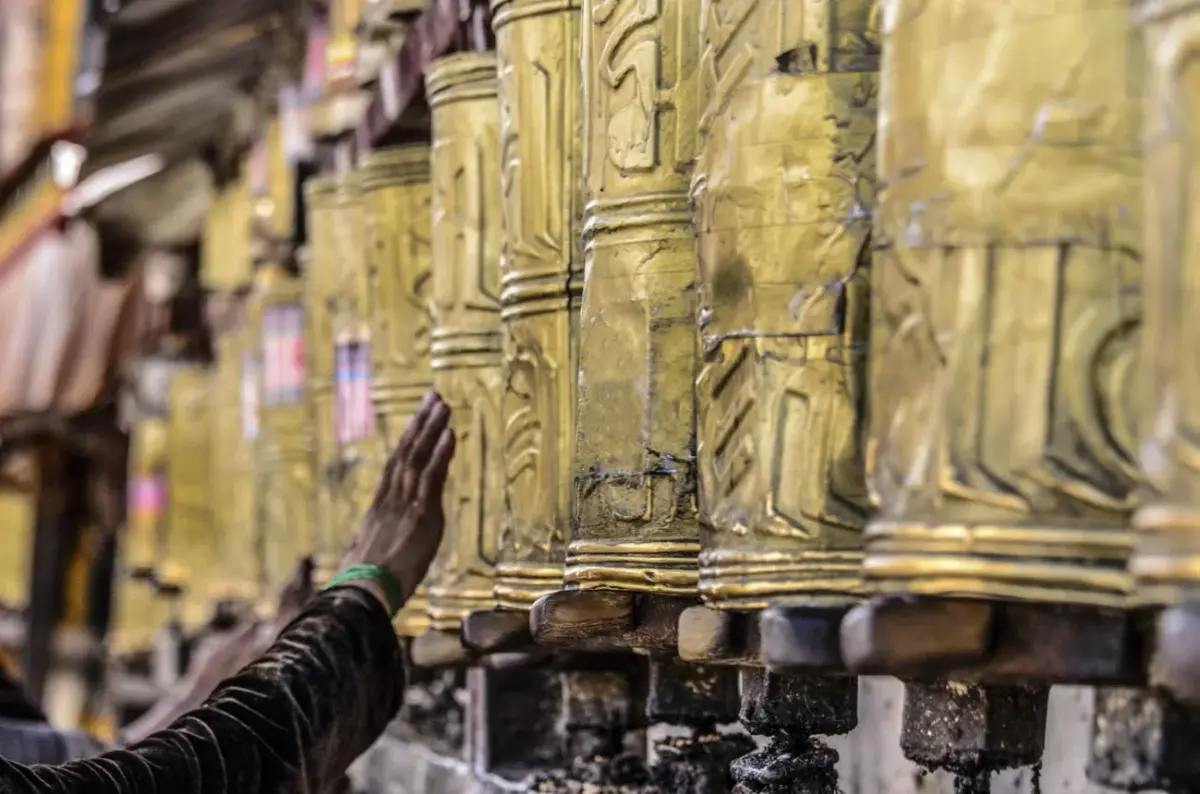
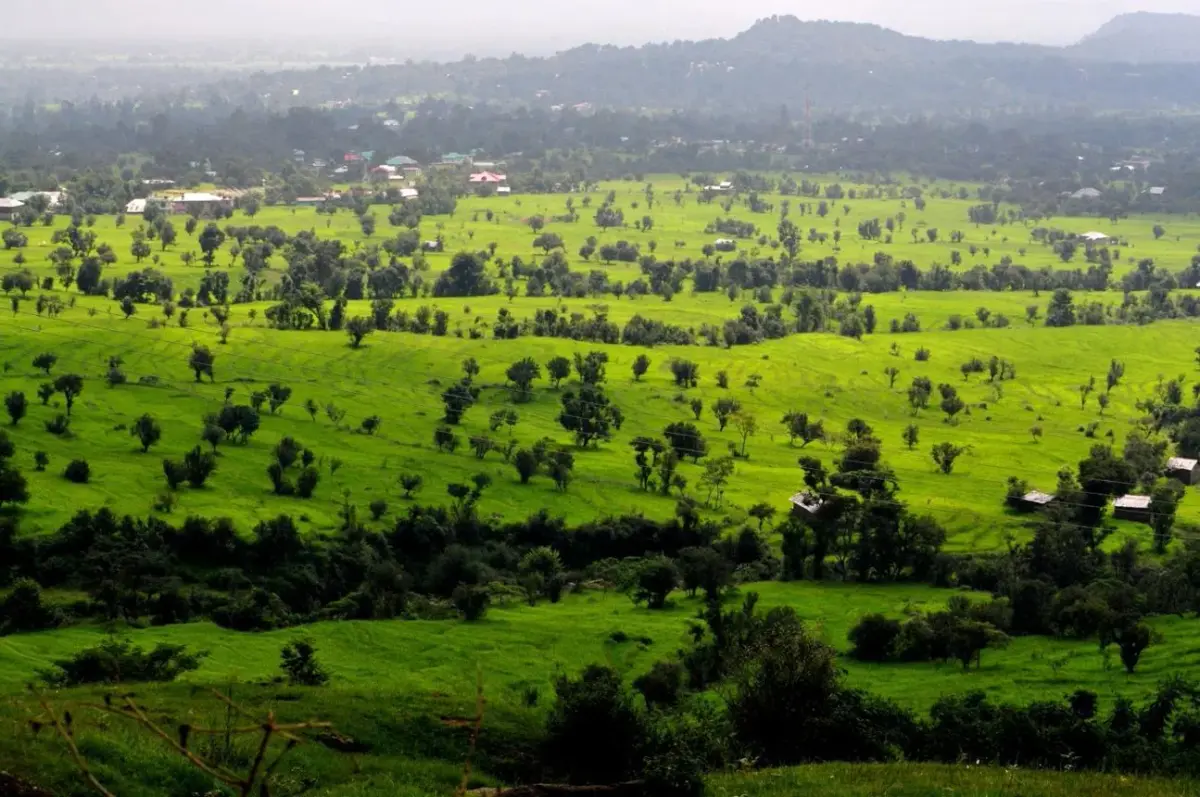
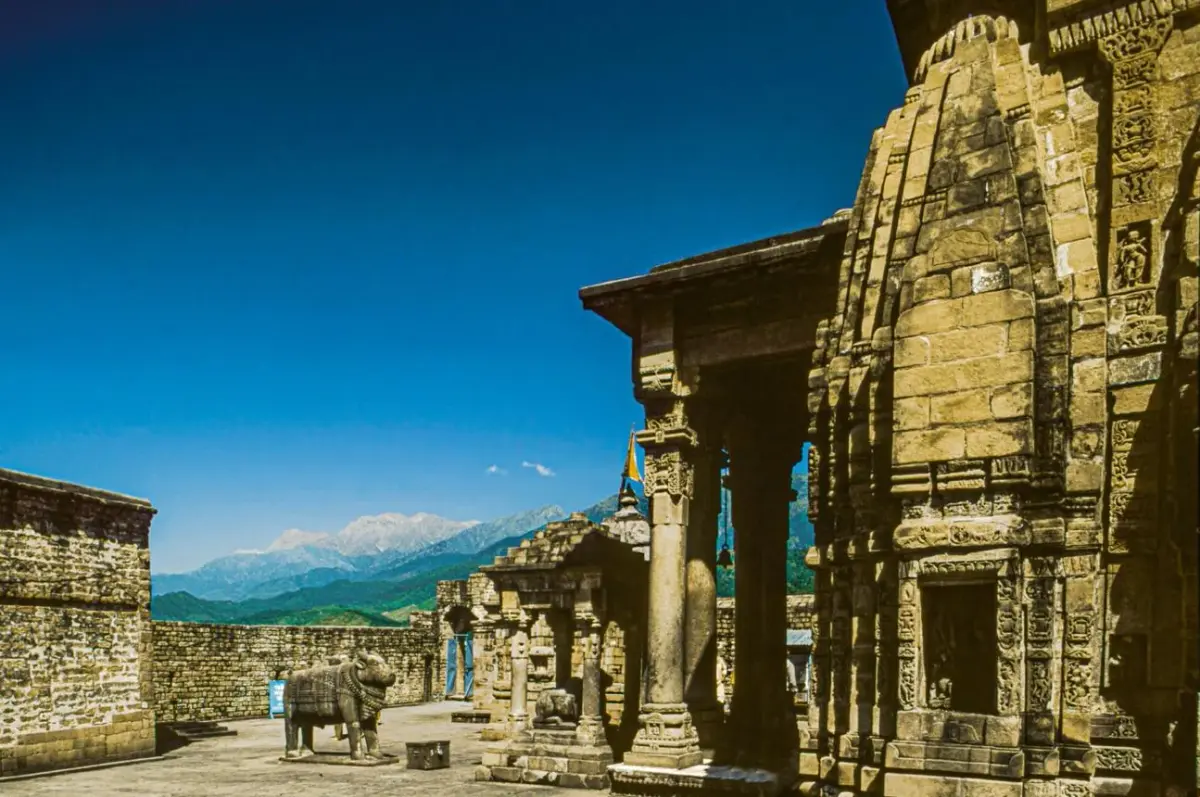
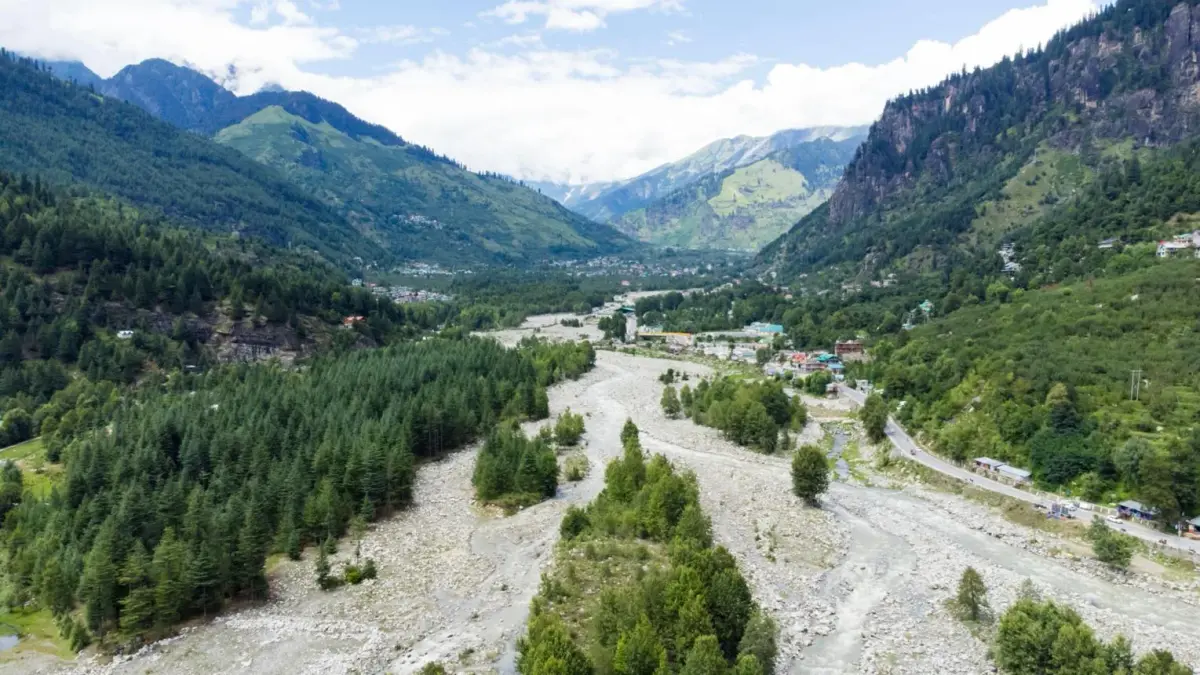
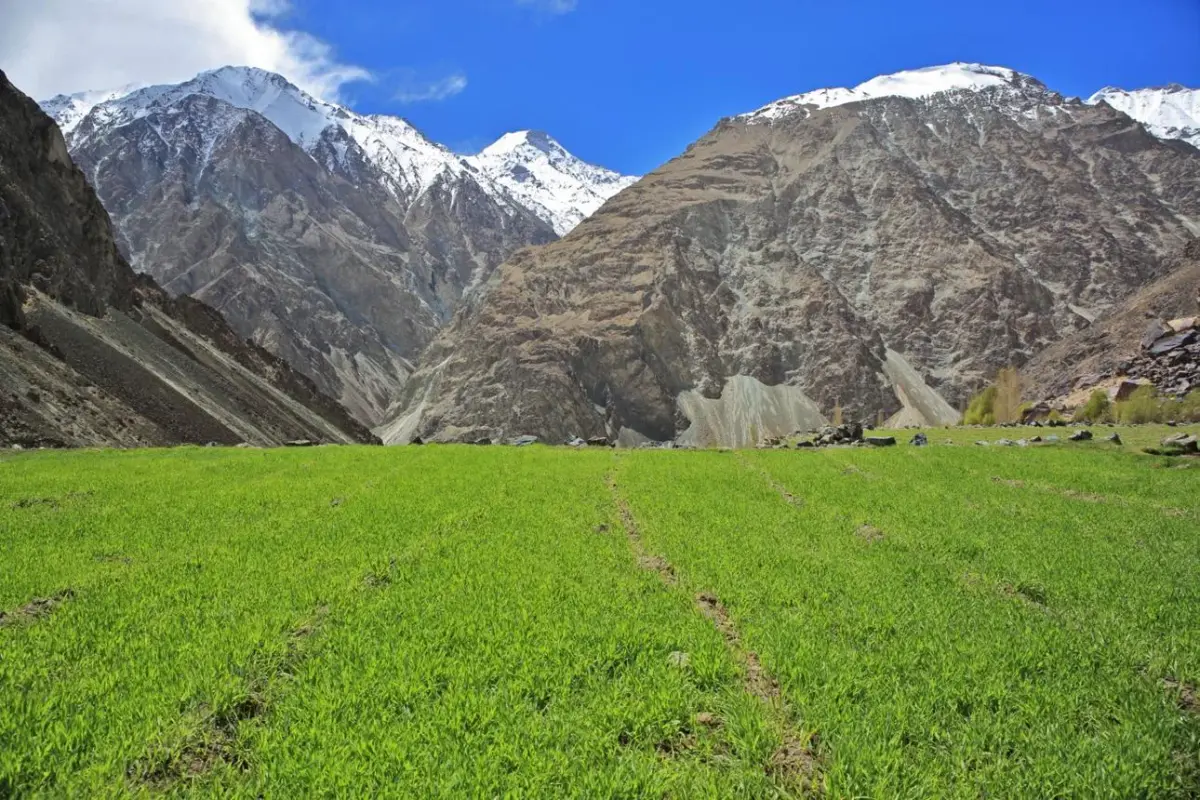
The Kangra Valley brings the greenest, most agricultural and most temperate side of the route. It is a land of cultivated valleys, villages, wooded hills and ancient temples. Baijnath Temple (13th century), dedicated to Shiva as healer (Vaidyanath), stands for the religious continuity of the Himalaya.
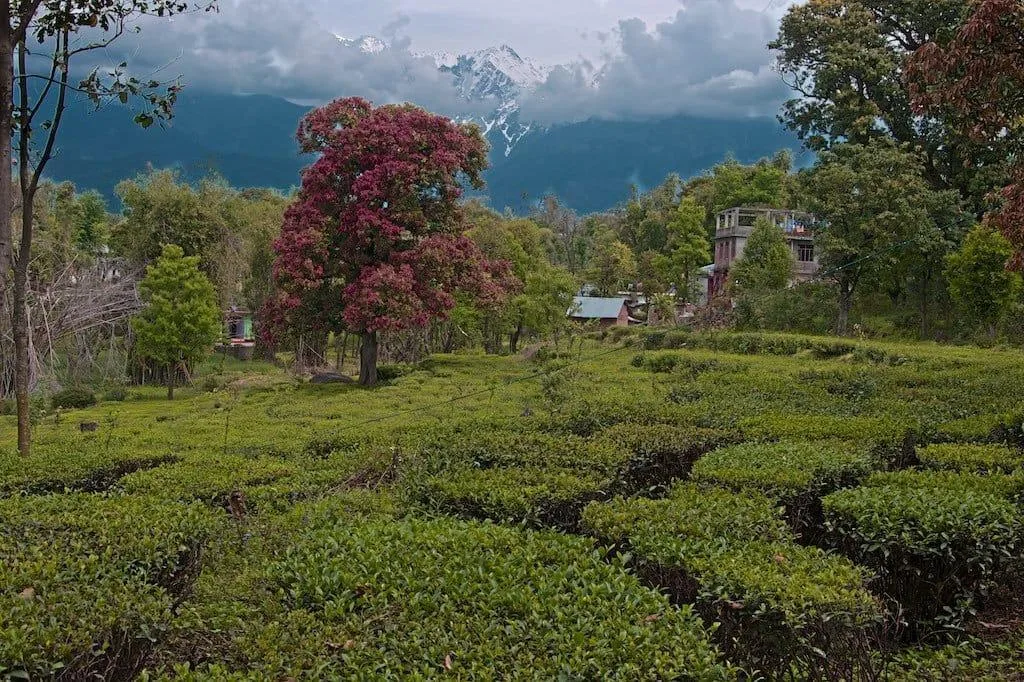
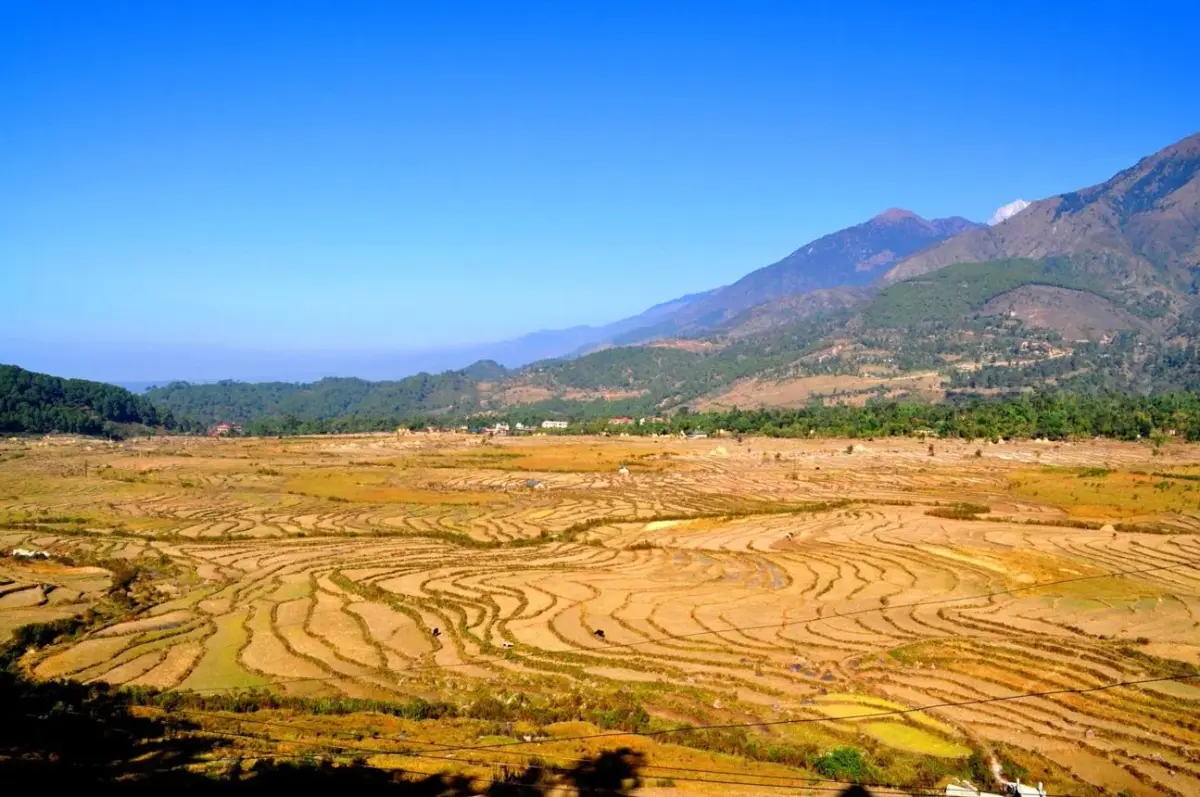
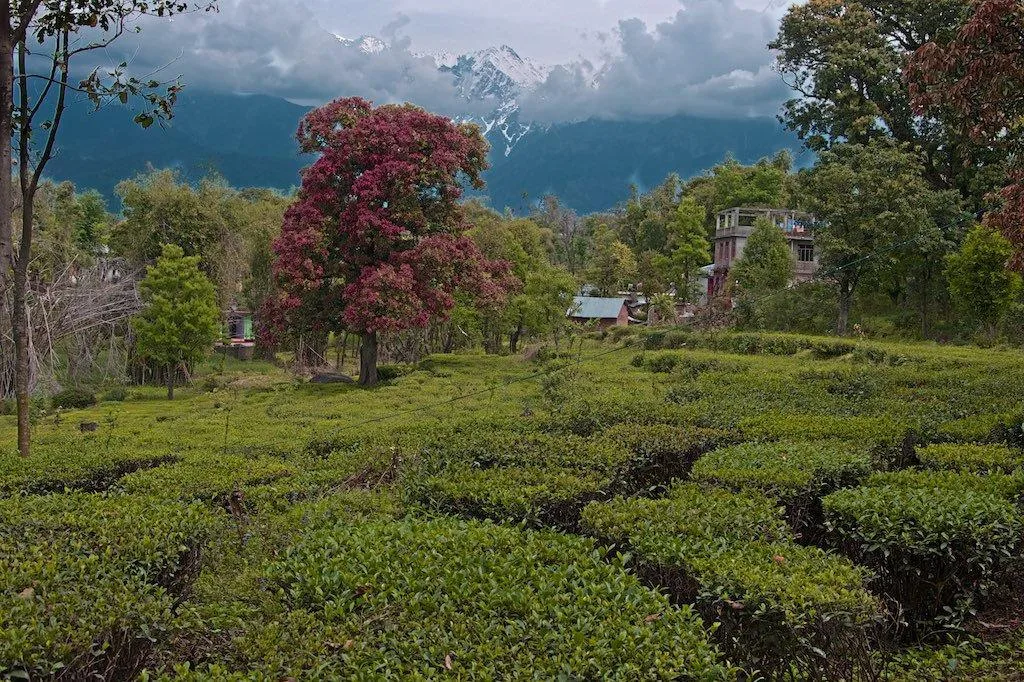
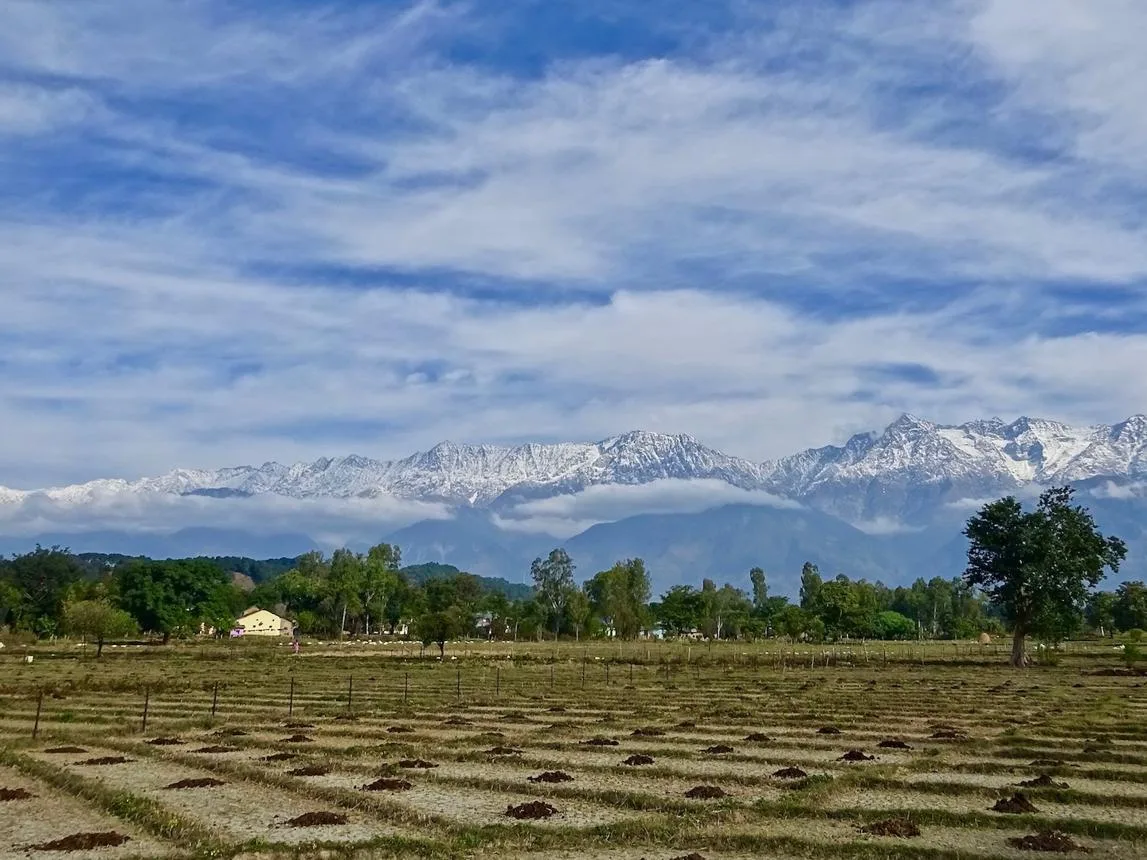
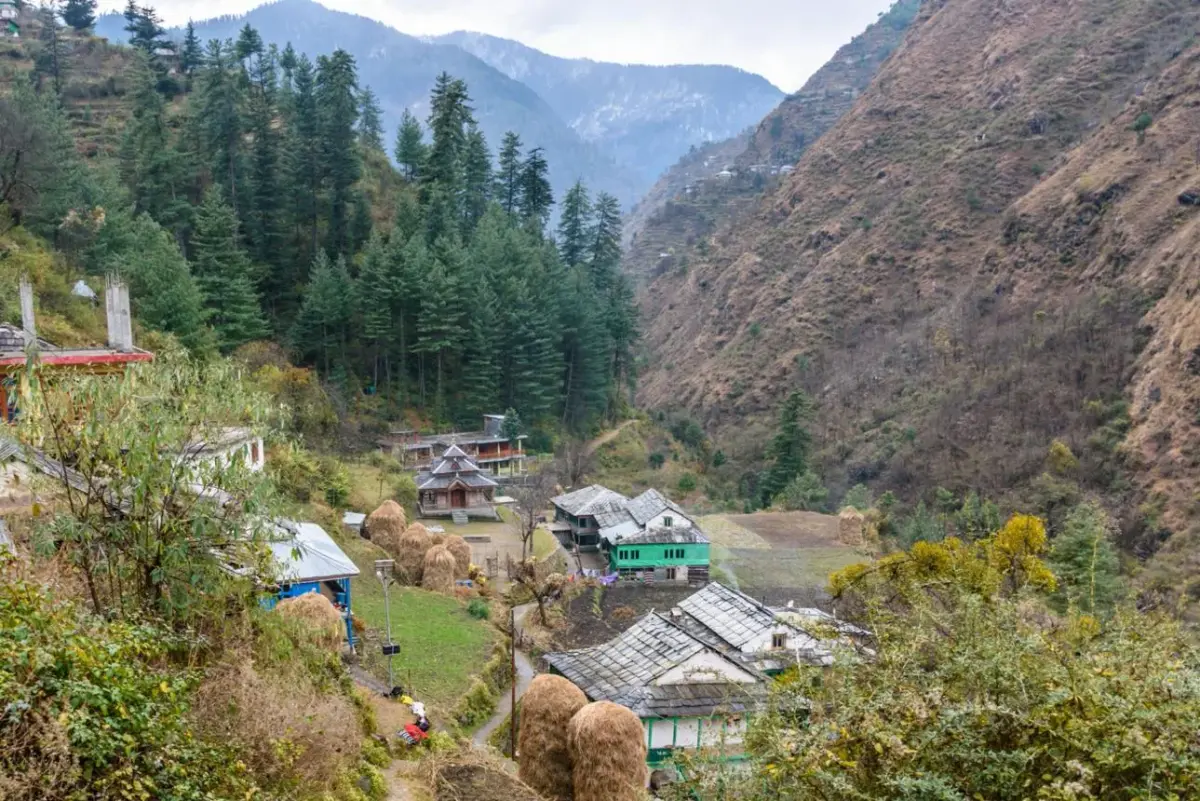
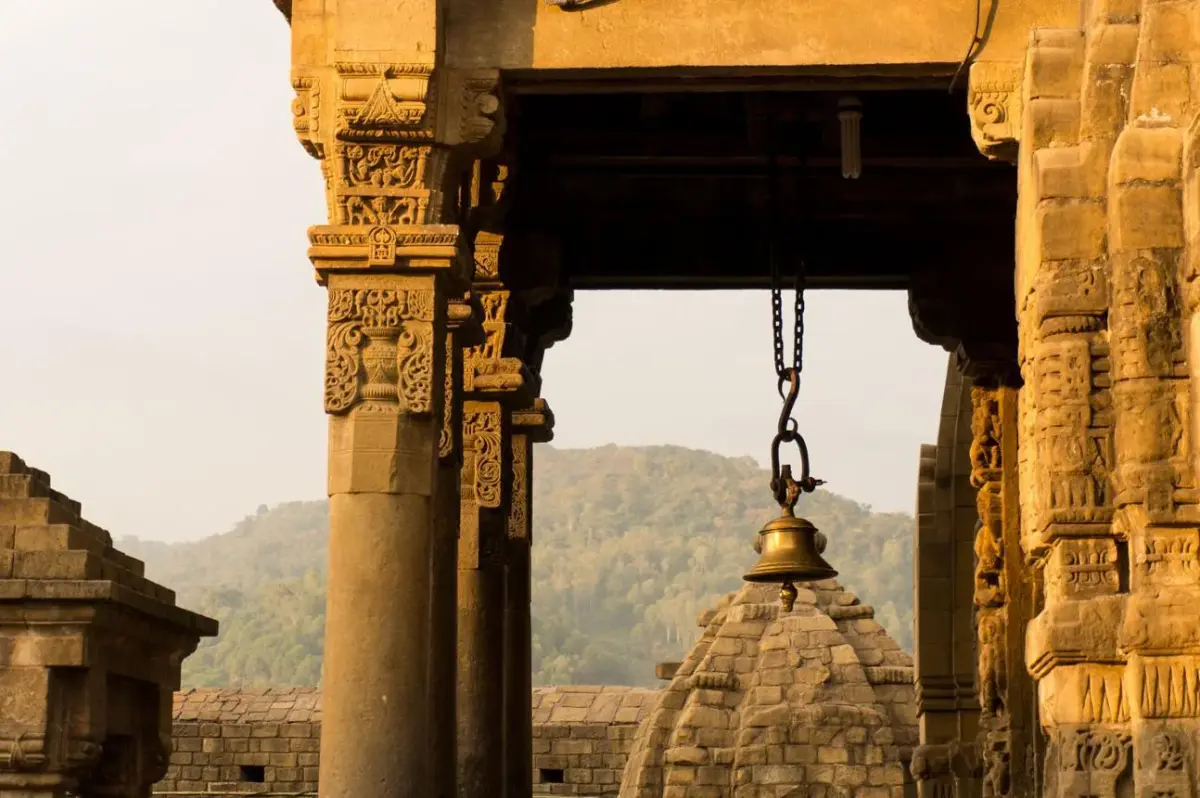
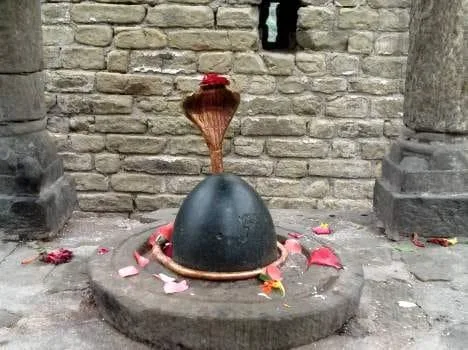
Kangra does not strike; it softens. It does not impress; it holds. This is where the journey begins to take root before it rises.
Leh is the historic and logistical capital of Ladakh. Sitting at over 3,500 metres, in a high valley ringed by arid mountains, for centuries it acted as a trading centre between Central Asia, Tibet, Kashmir and India.
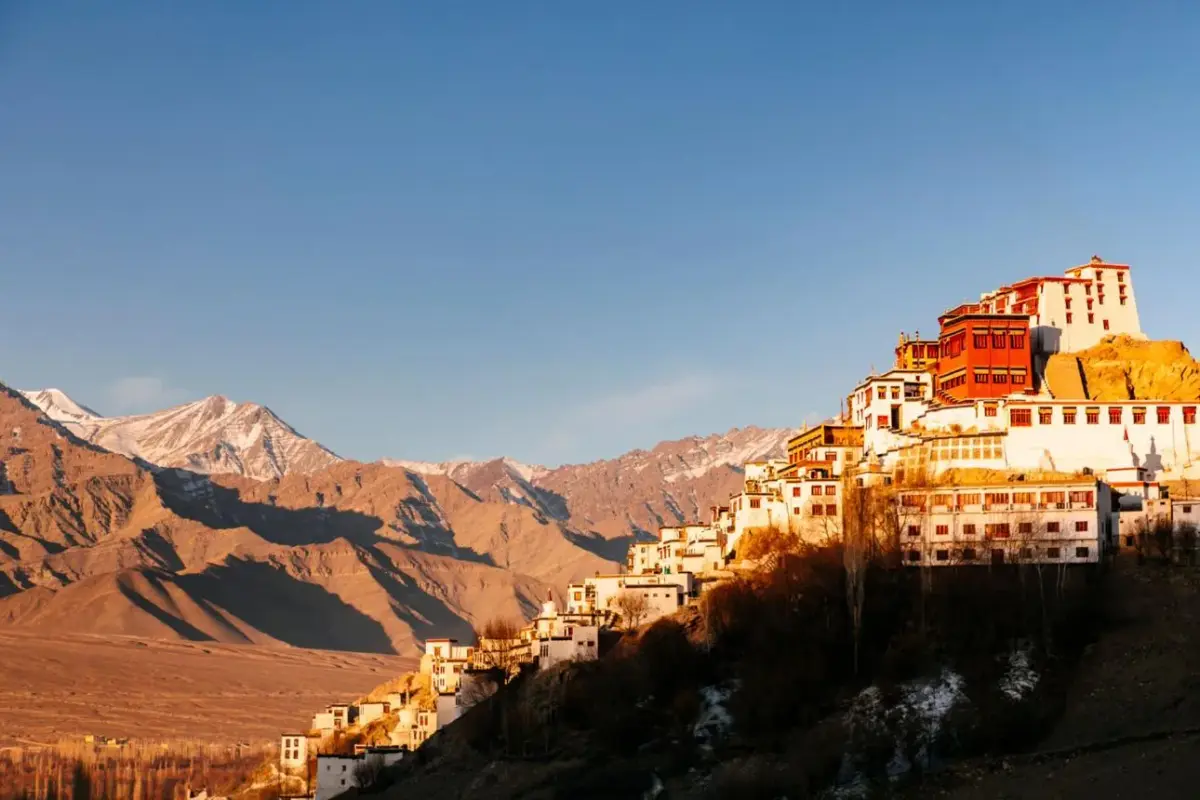
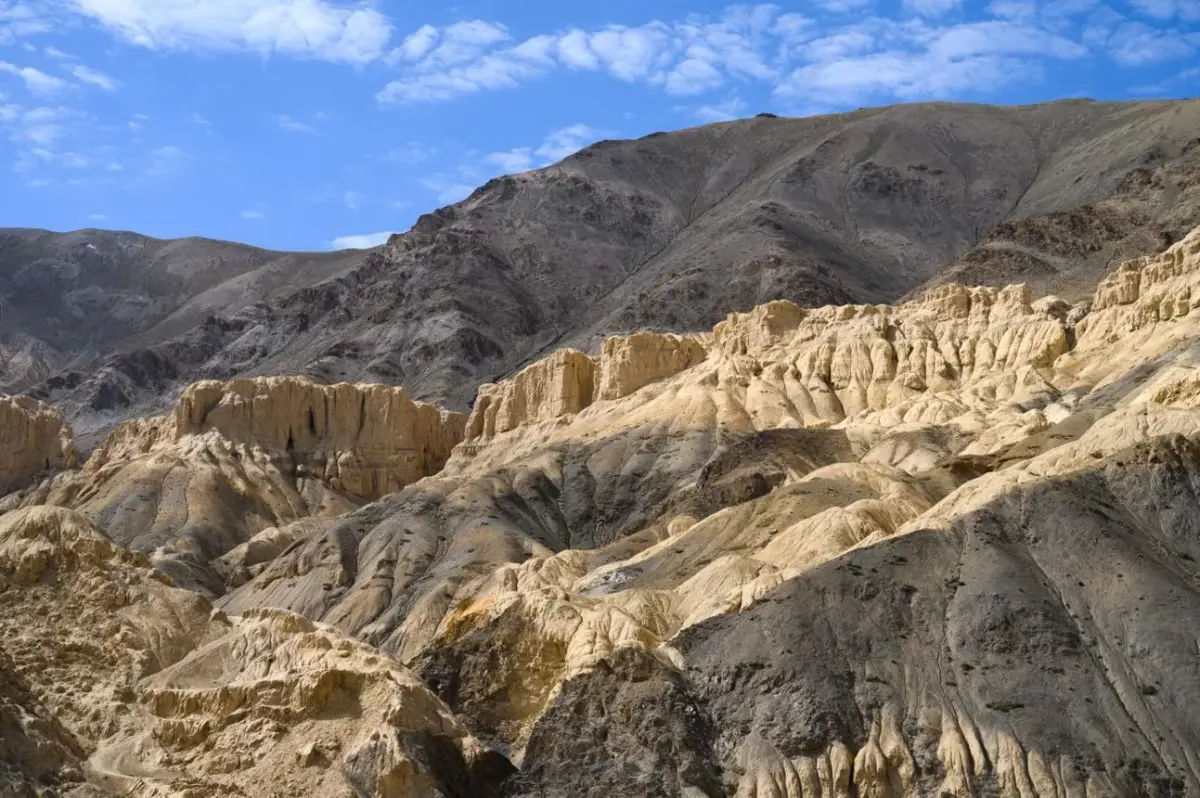
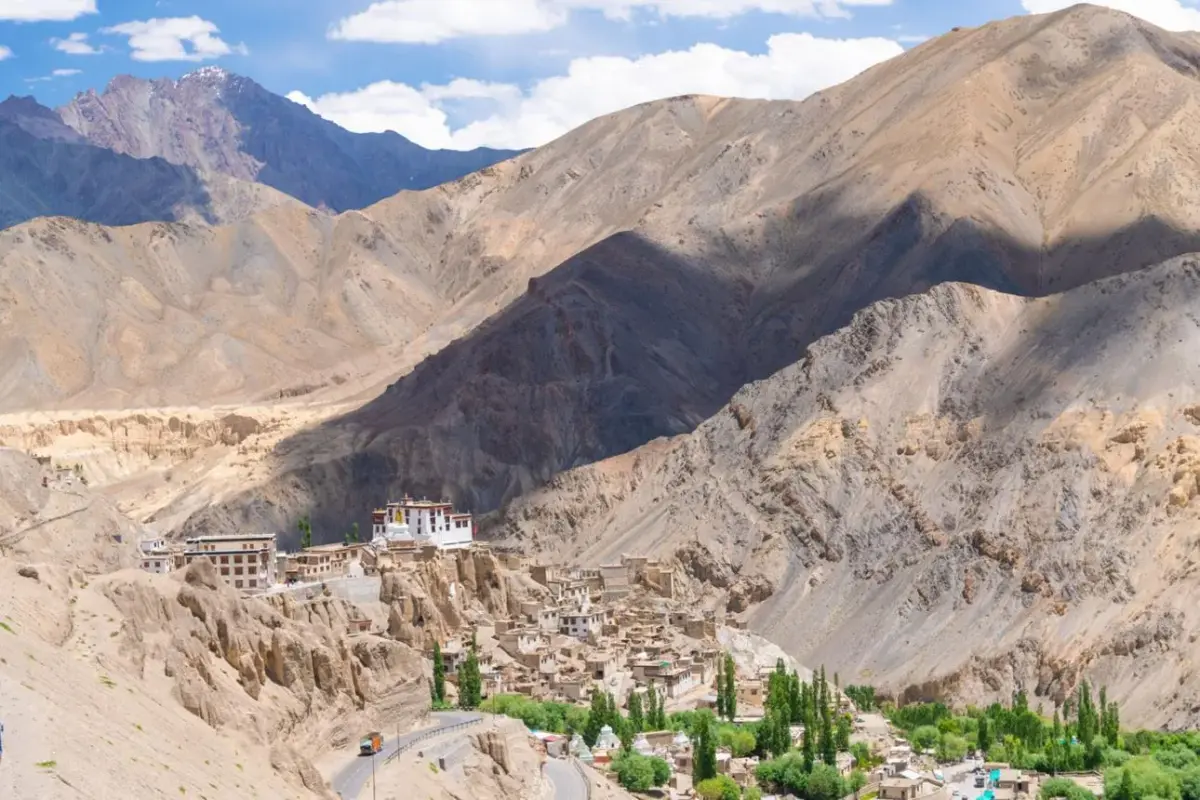
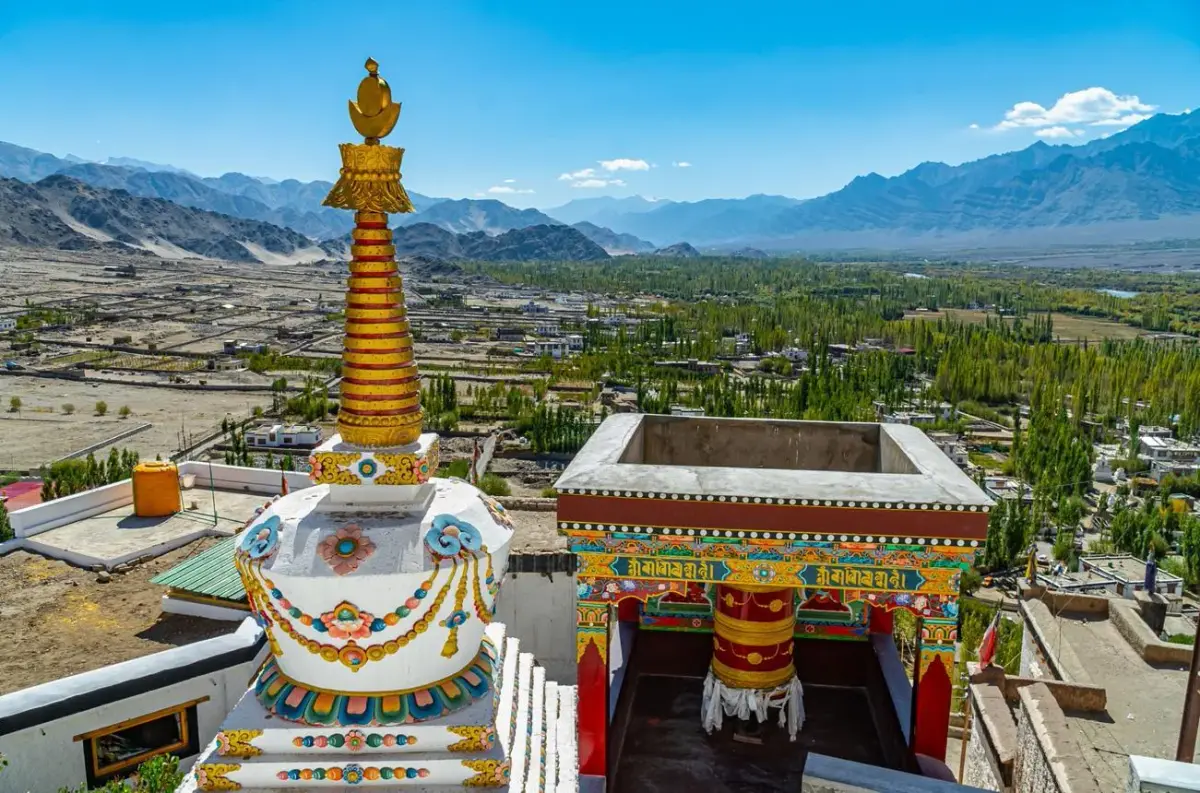
Leh is deeply steeped in Tibetan Buddhism. The constant presence of stupas, prayer flags and monasteries creates an atmosphere in which spirituality is part of the air, the light and the silence.
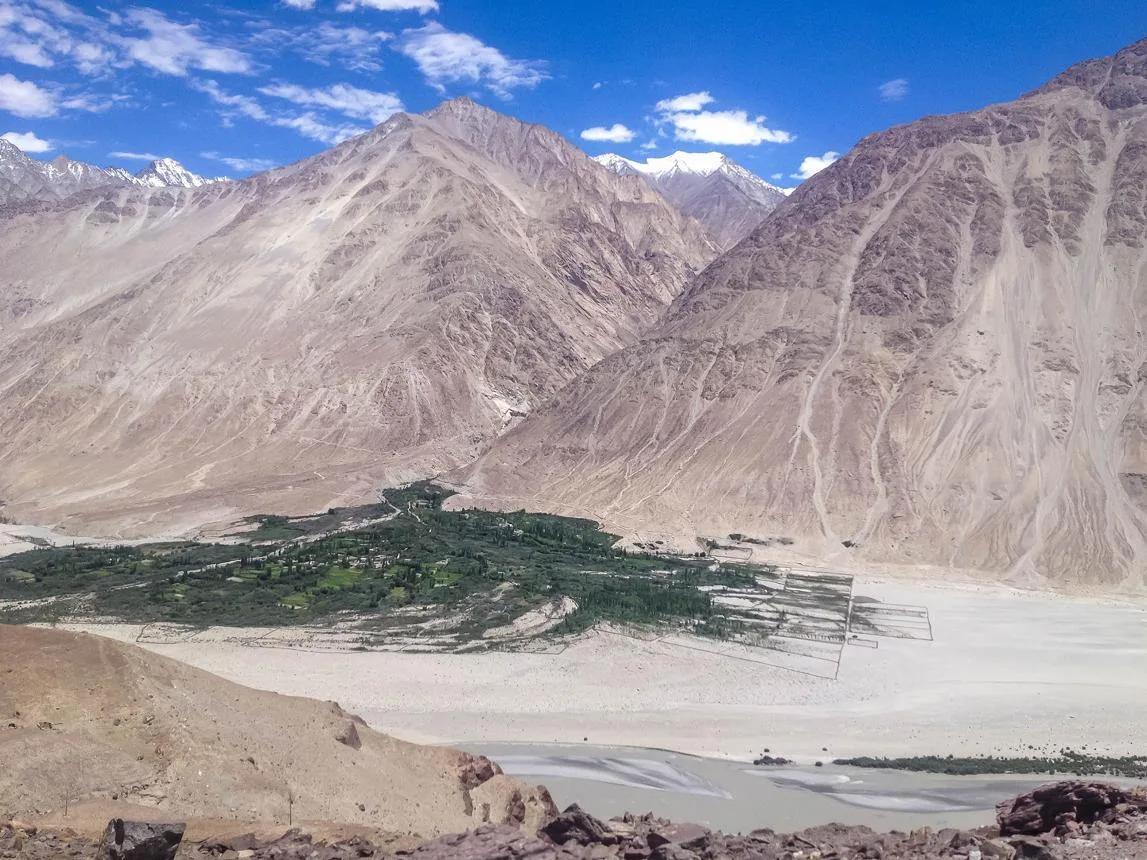
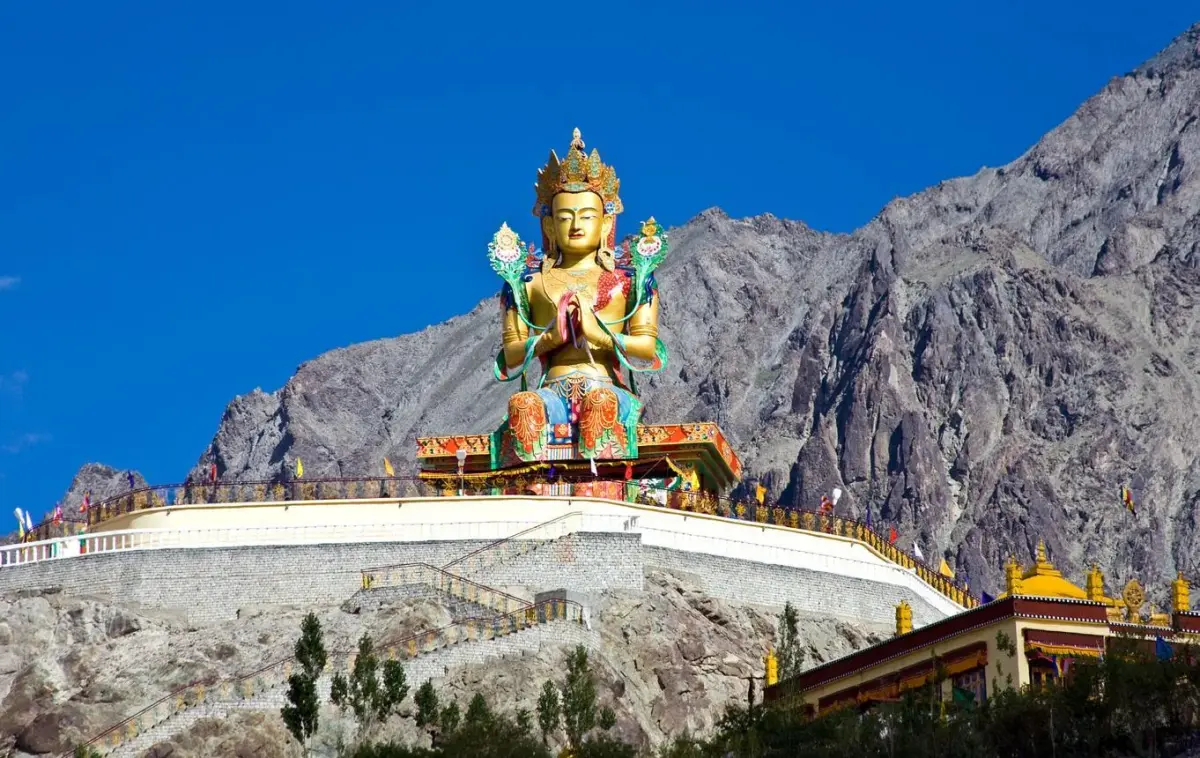
Leh does not offer comfort; it offers clarity. It is the threshold of the inner Himalaya.
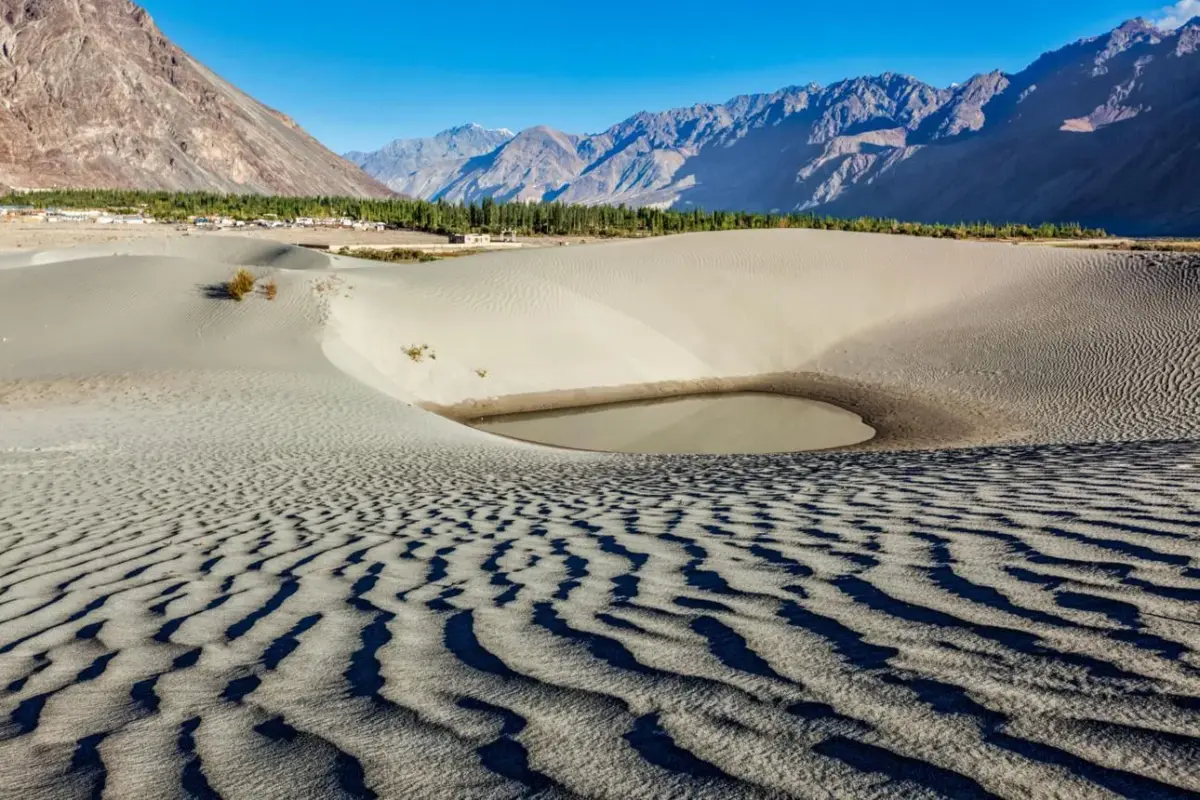
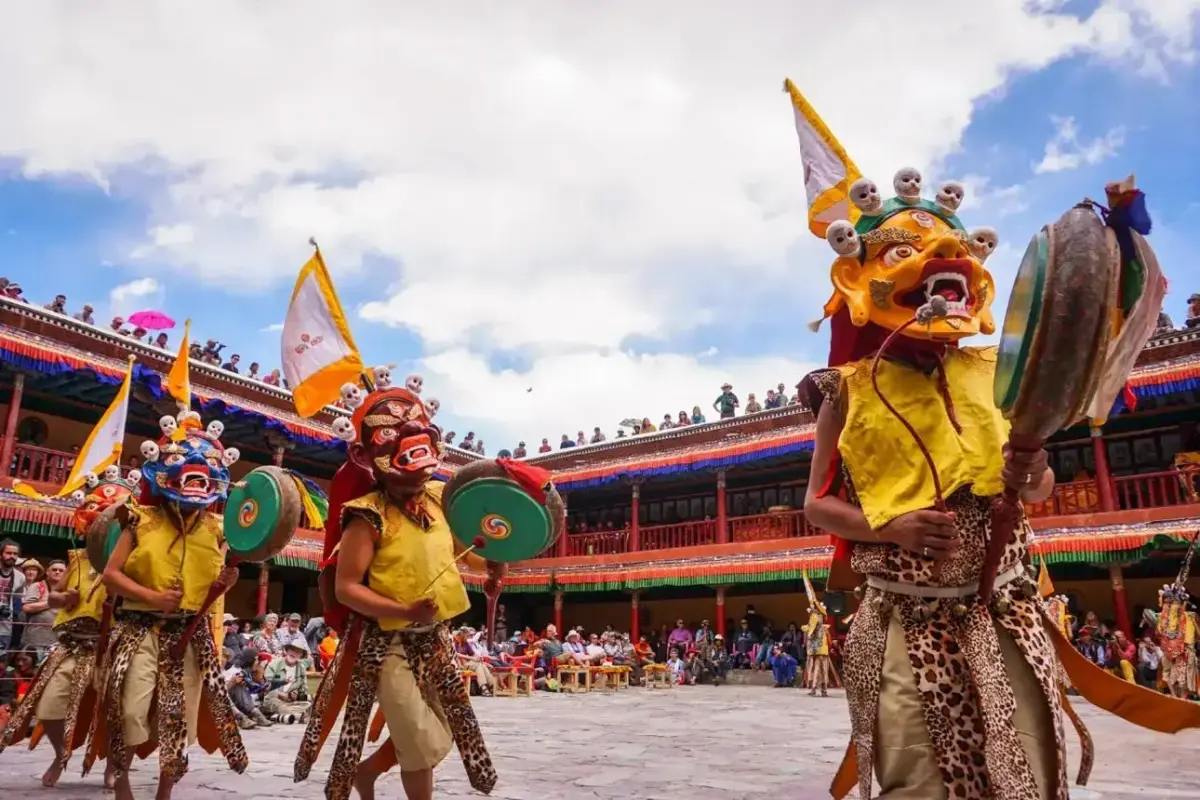
The monasteries are the cultural heart of spiritual Ladakh. They should not be read as tourist sites but as living institutions of study, liturgy, art and monastic transmission.
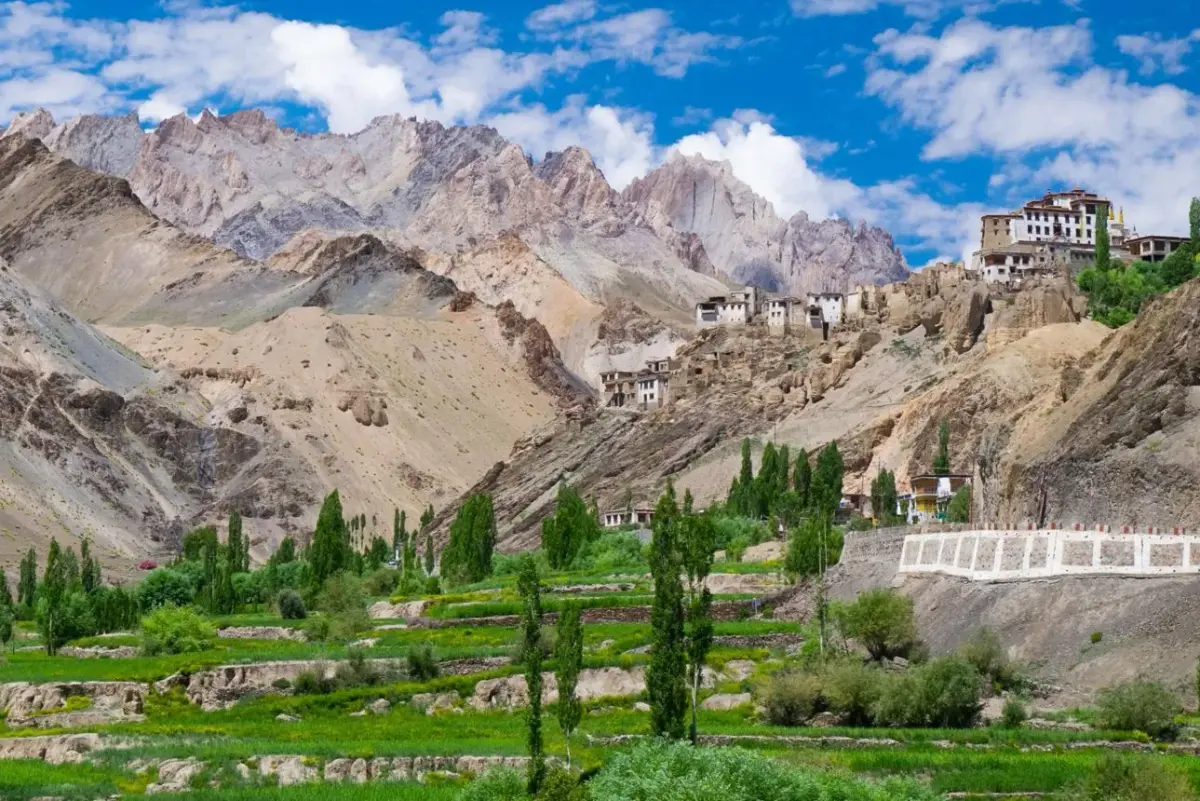
| Monastery | School | Notable for | | ------------ | ------ | --------------------------------------------------------- | | Hemis | Drukpa | One of the most influential; known for its festival | | Thiksey | Gelug | Tiered structure and a great Maitreya statue | | Shey | — | Former royal palace; joins spirituality and worldly power | | Spituk | — | Close to Leh; monastic continuity in an urban setting | | Likir | — | Monumental Maitreya statue and a commanding position | | Alchi | — | Unique early murals with Kashmiri influence | | Lamayuru | — | Set in a "moonscape"; one of the oldest |
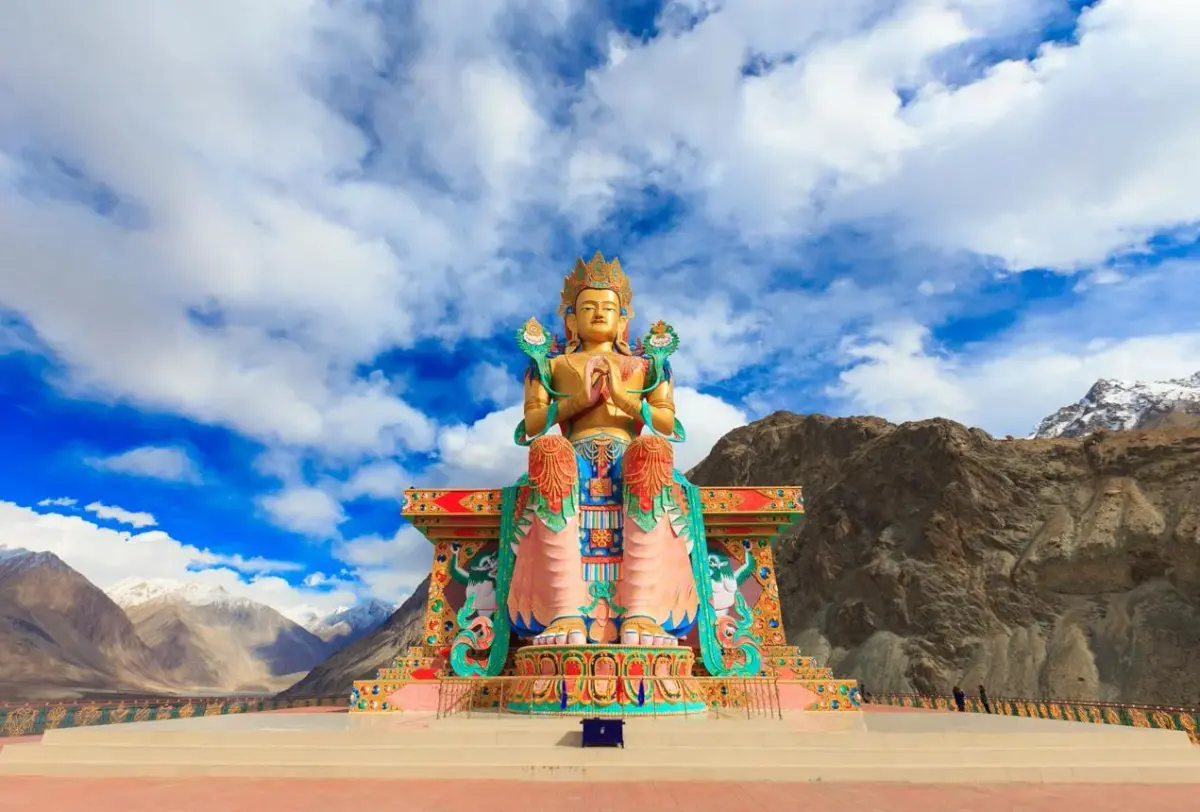
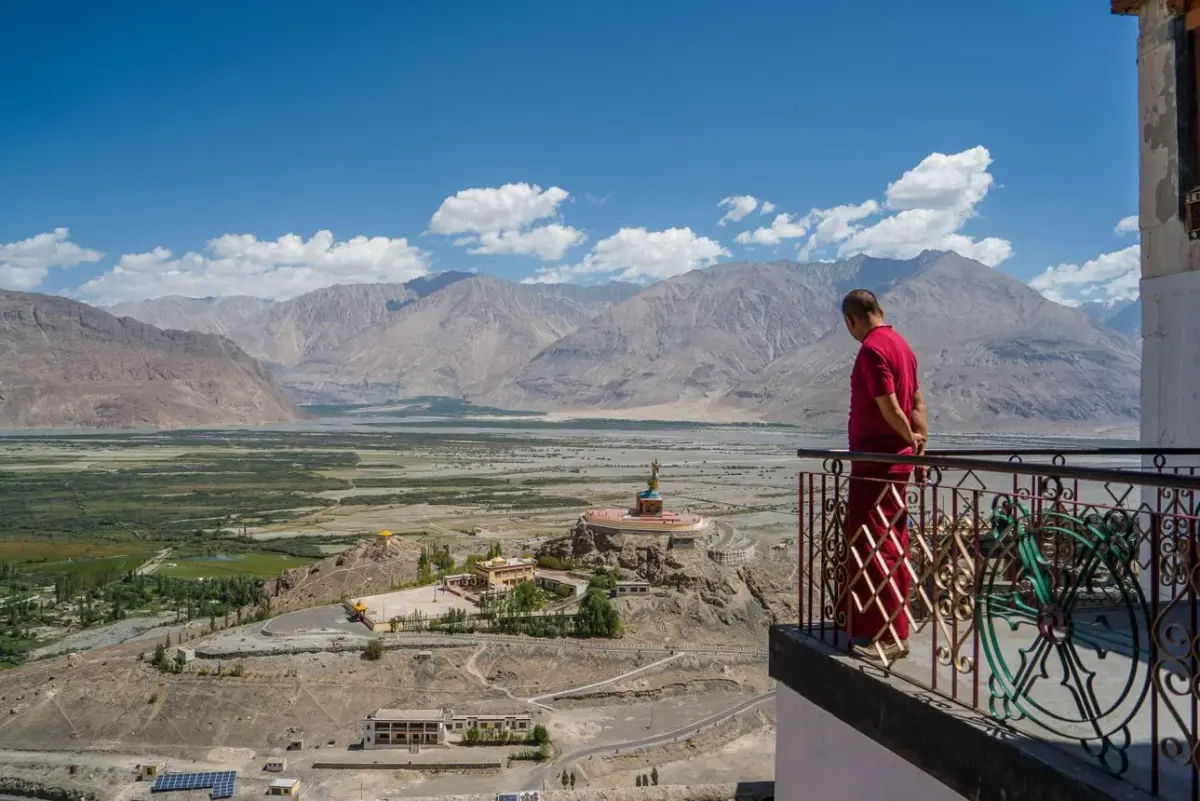
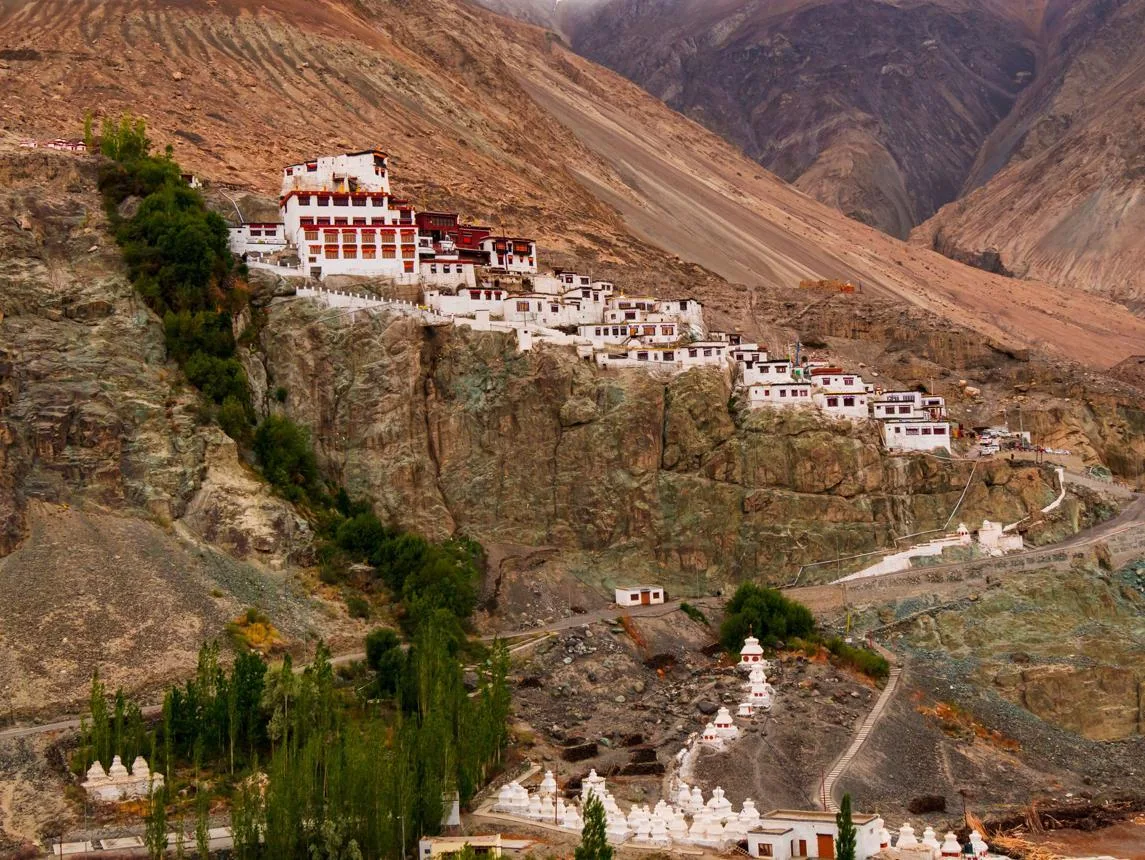
The monasteries hold:
Alchi in particular stands out for its exceptional artistic wealth.
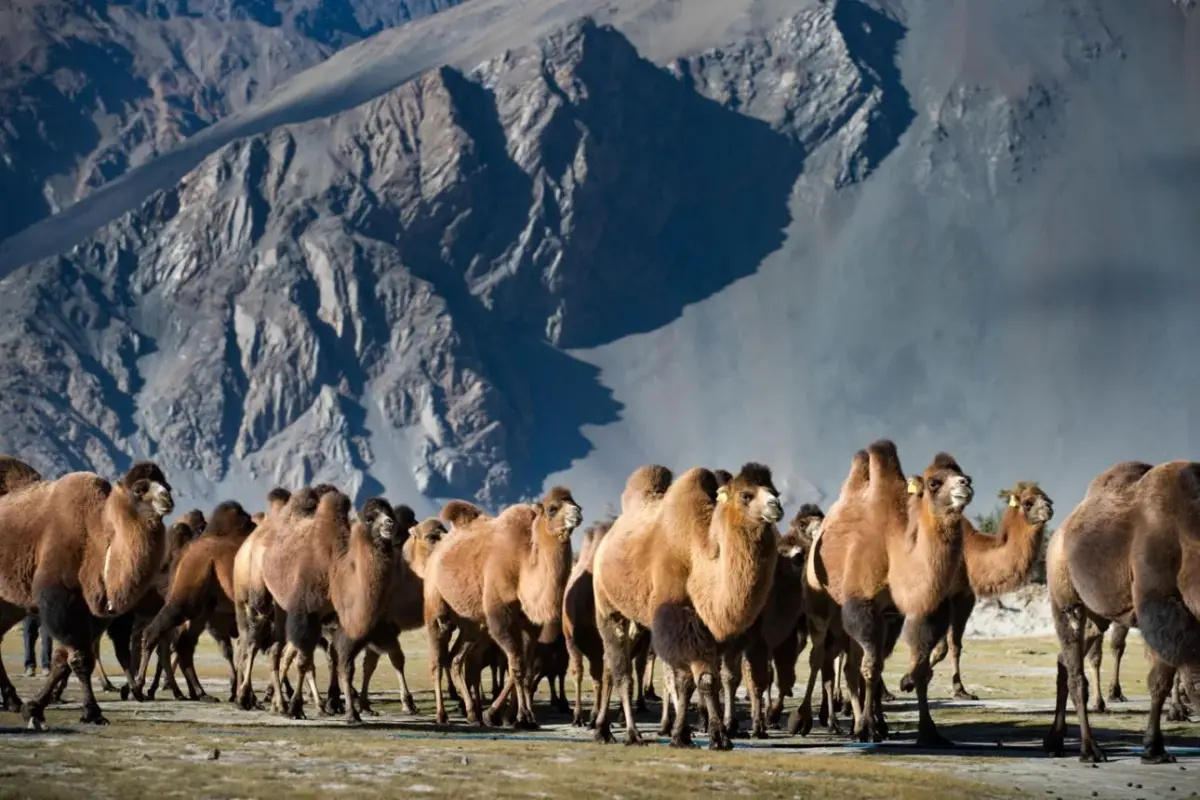
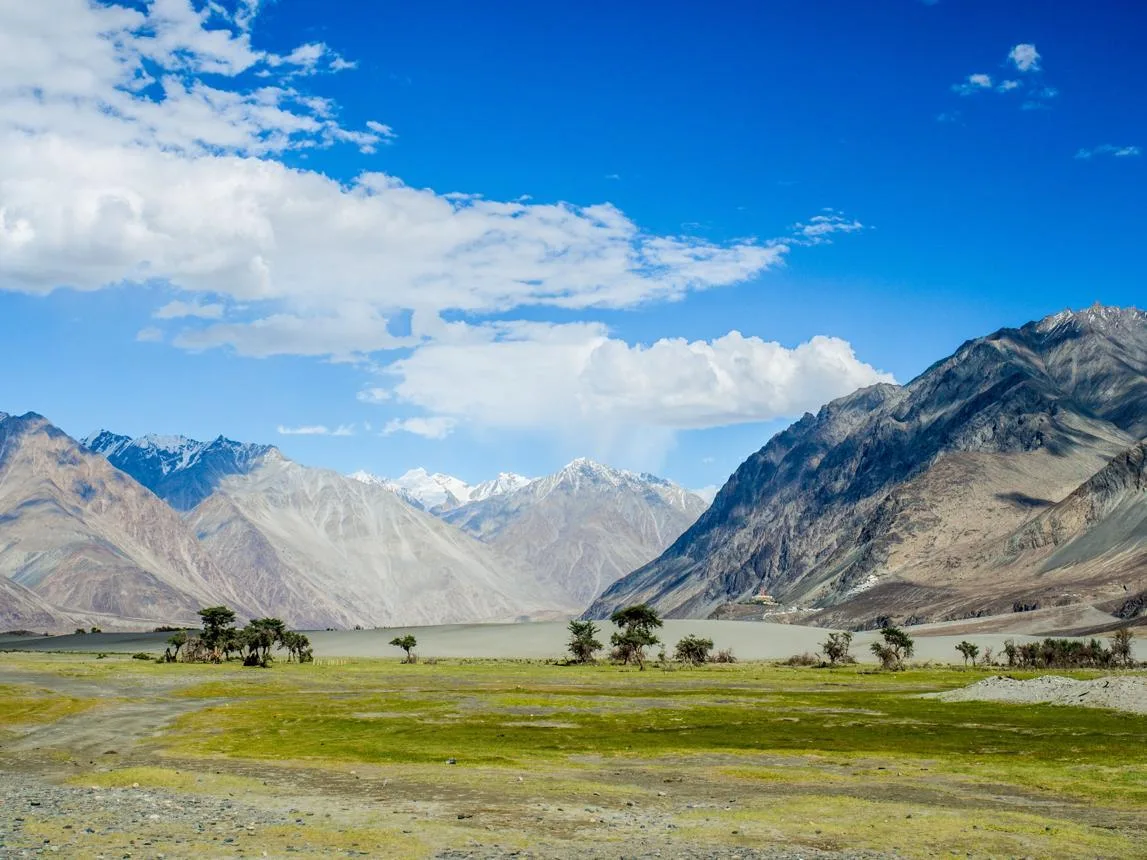
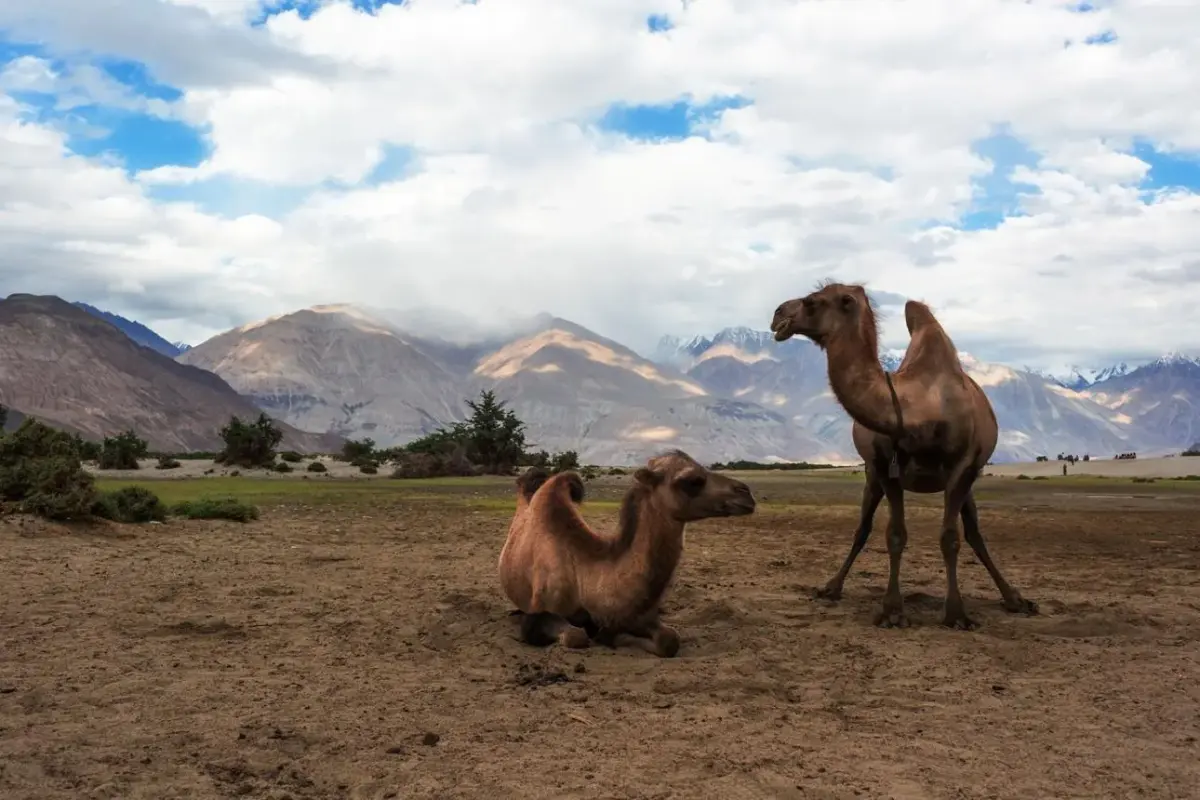
This stage makes it possible to understand Buddhism beyond theory, and to experience silence, altitude and contemplation. The monasteries are not only places to visit; they are spaces that invite you to stop, watch and listen.
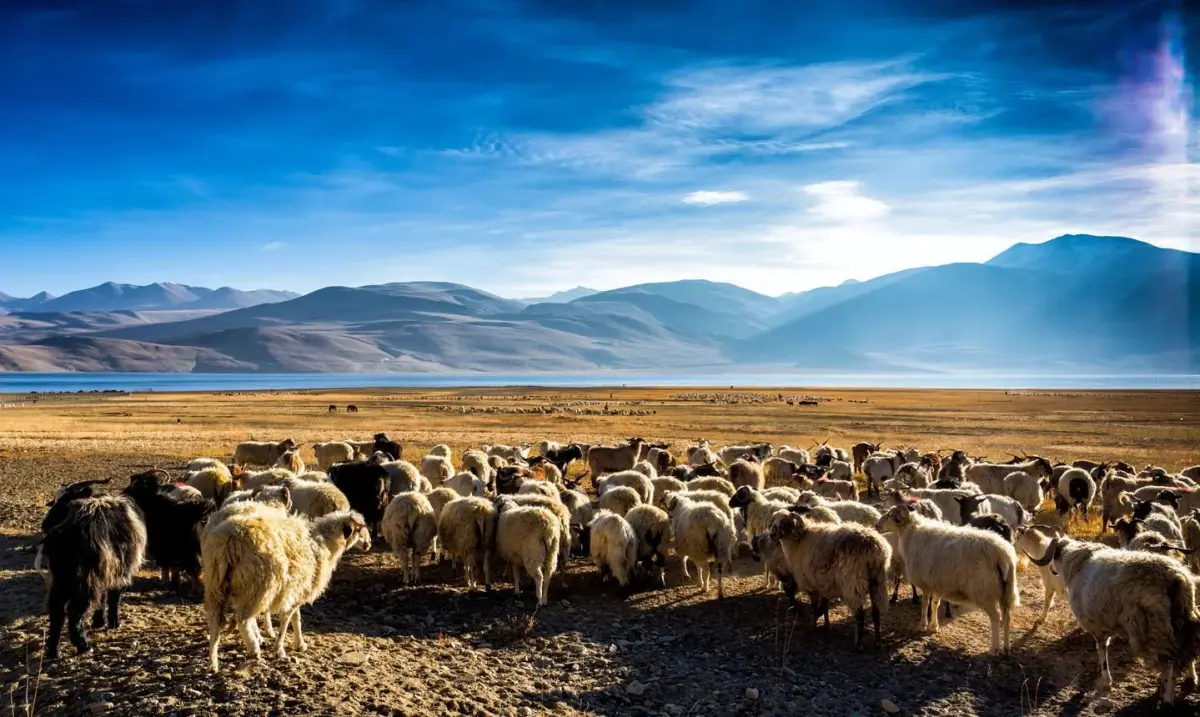
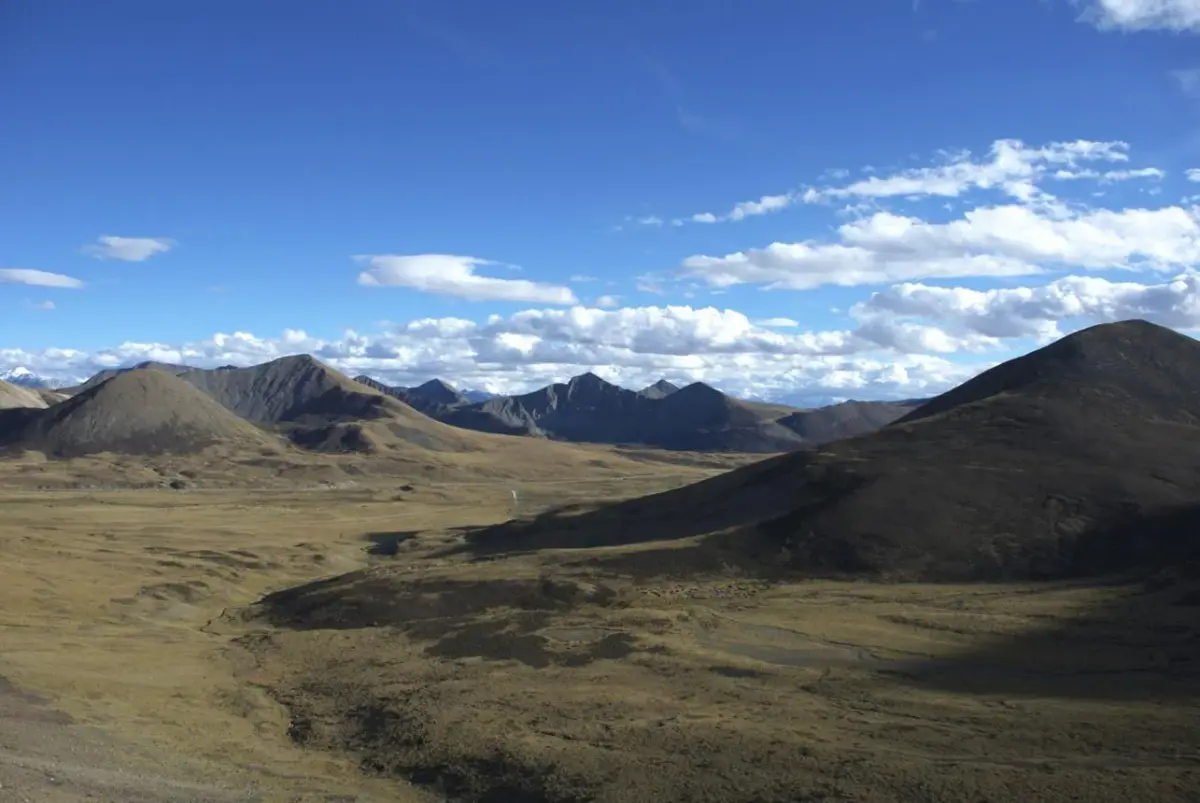
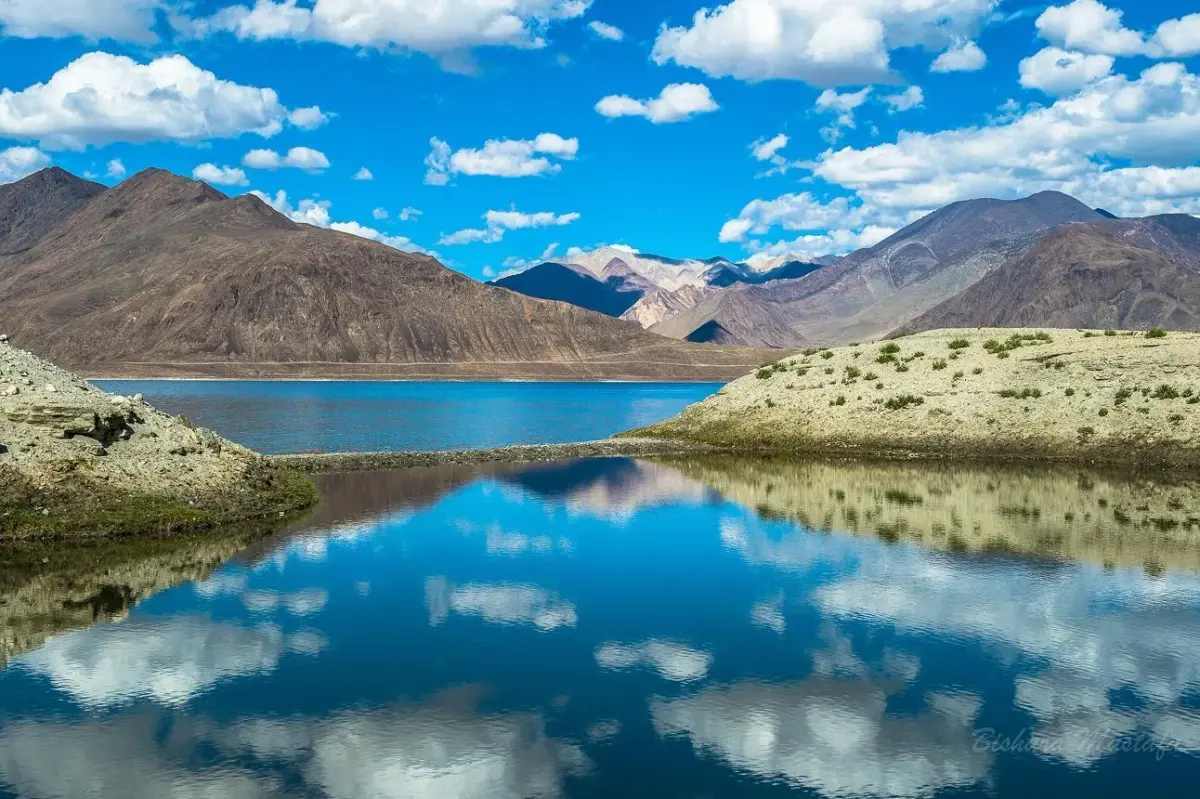
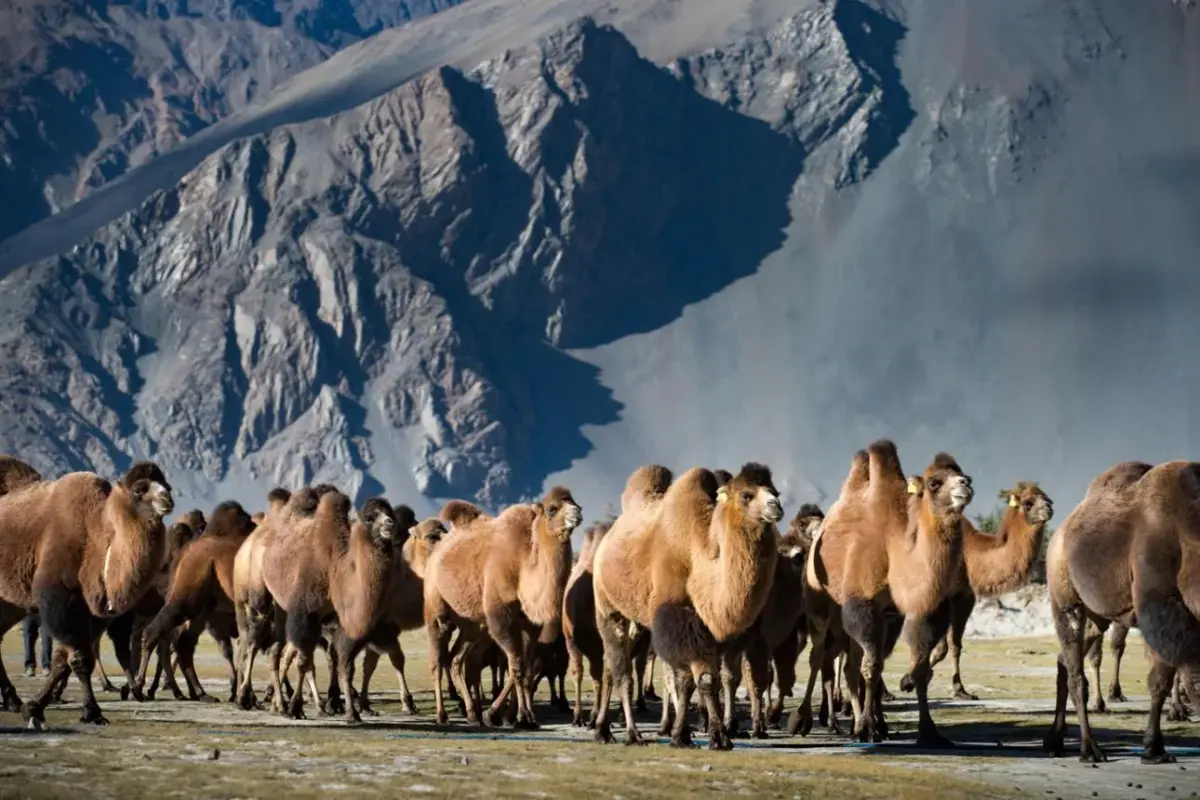
Changthang is the great plateau of eastern Ladakh — one of the harshest inhabited regions on the itinerary. It is cold, dry, windy and very thinly populated, a place where life depends on an extremely precise knowledge of the terrain.
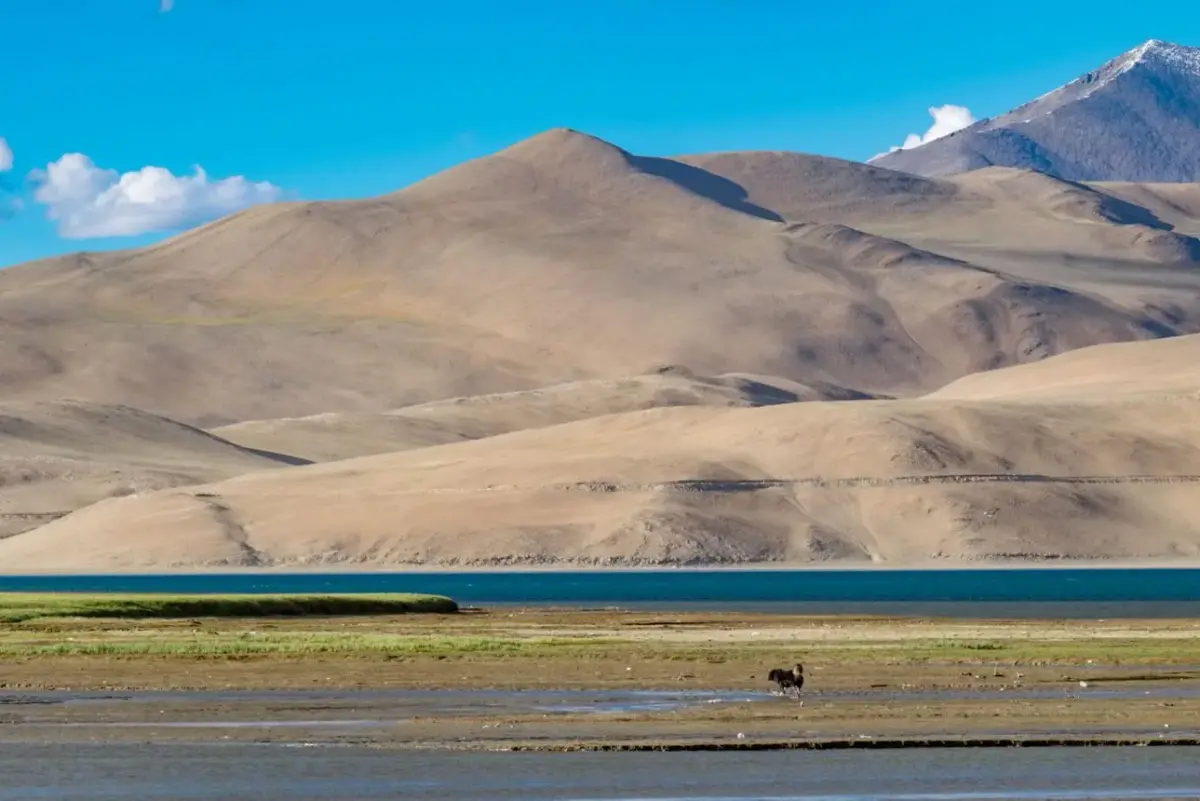
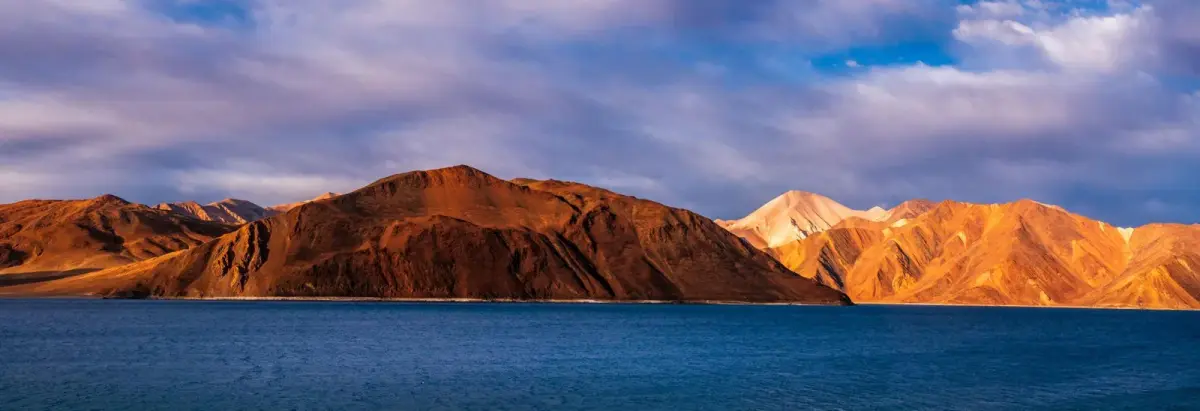
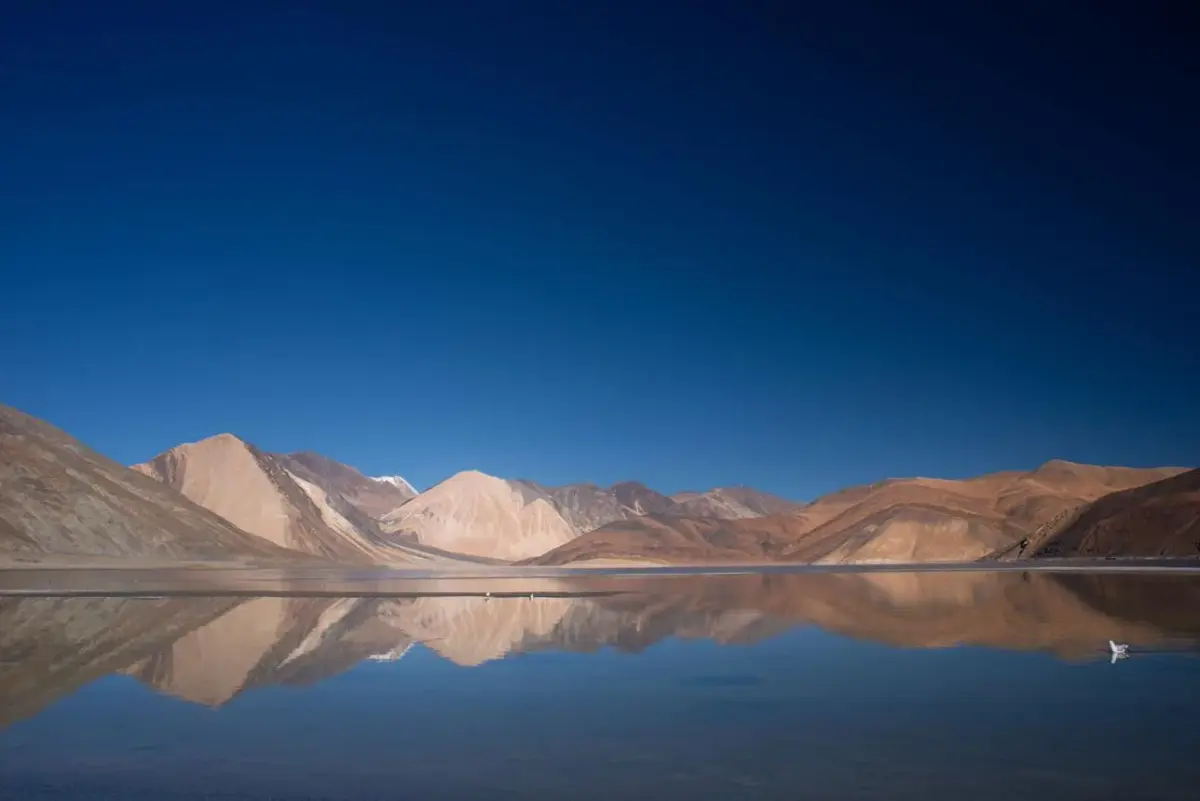
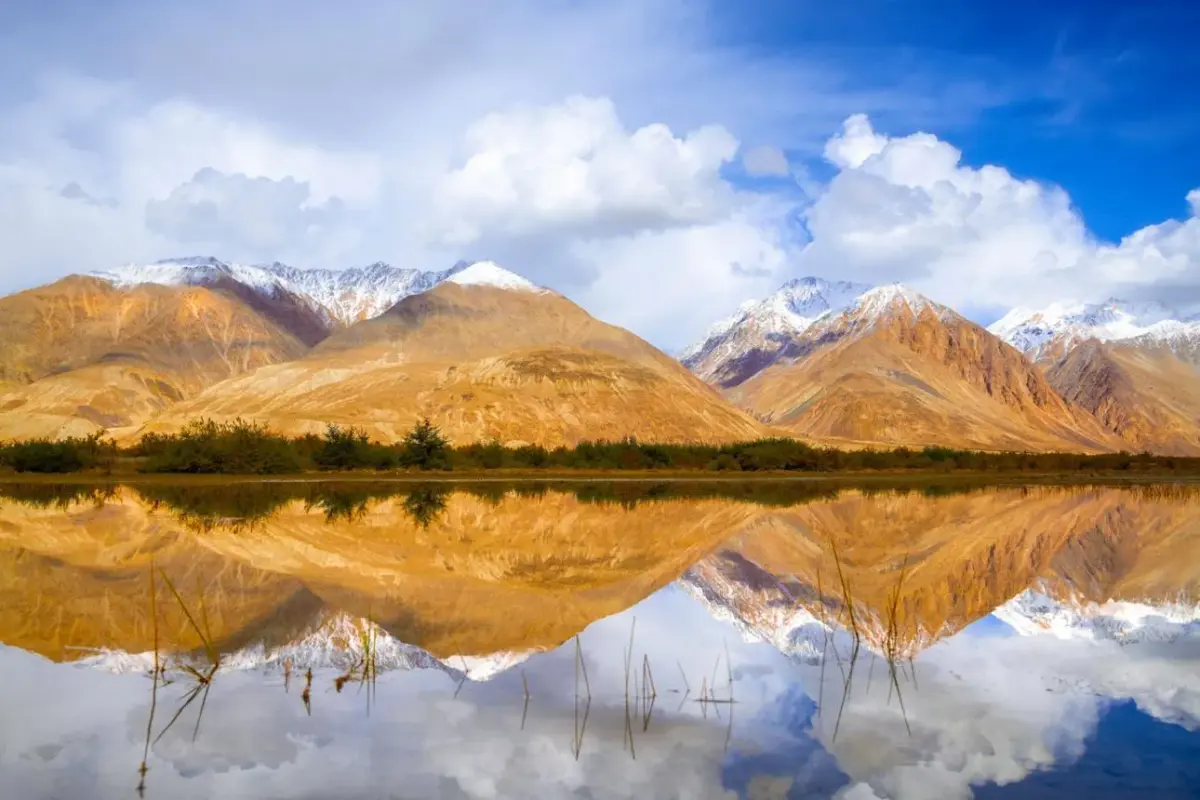
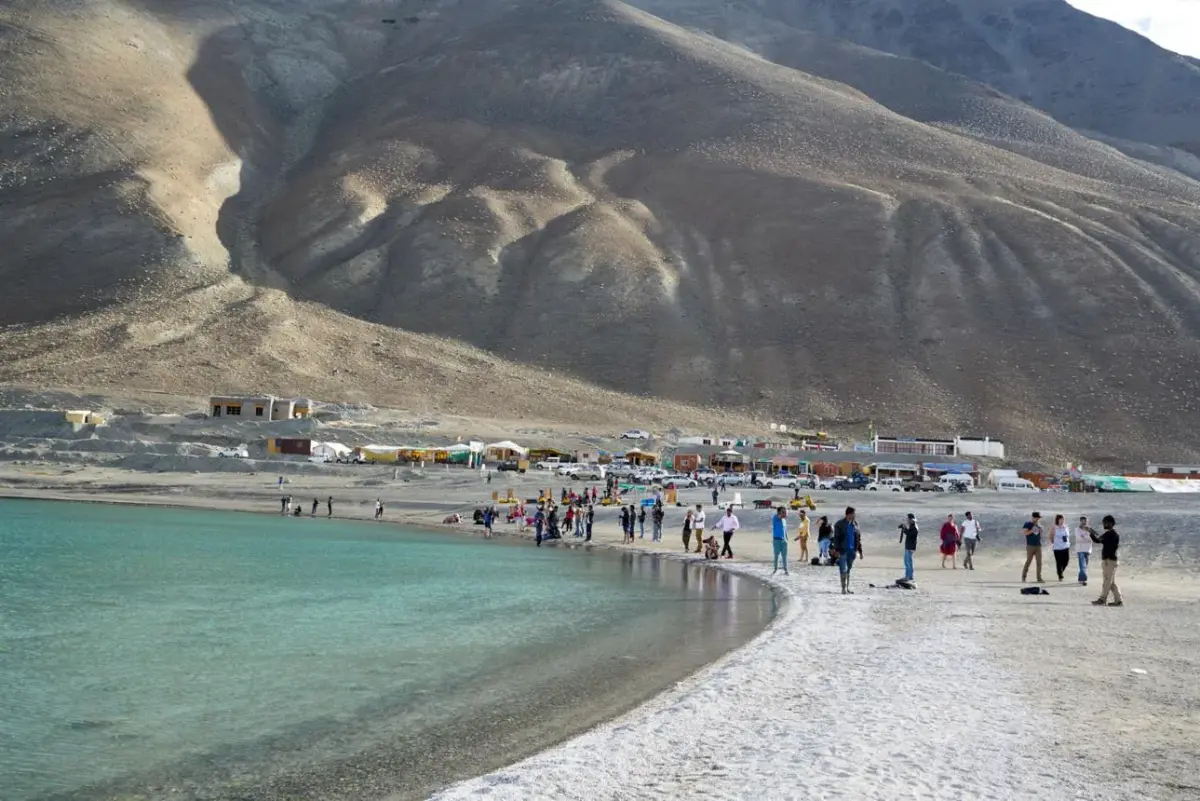
One of the most iconic landscapes in the Himalaya:
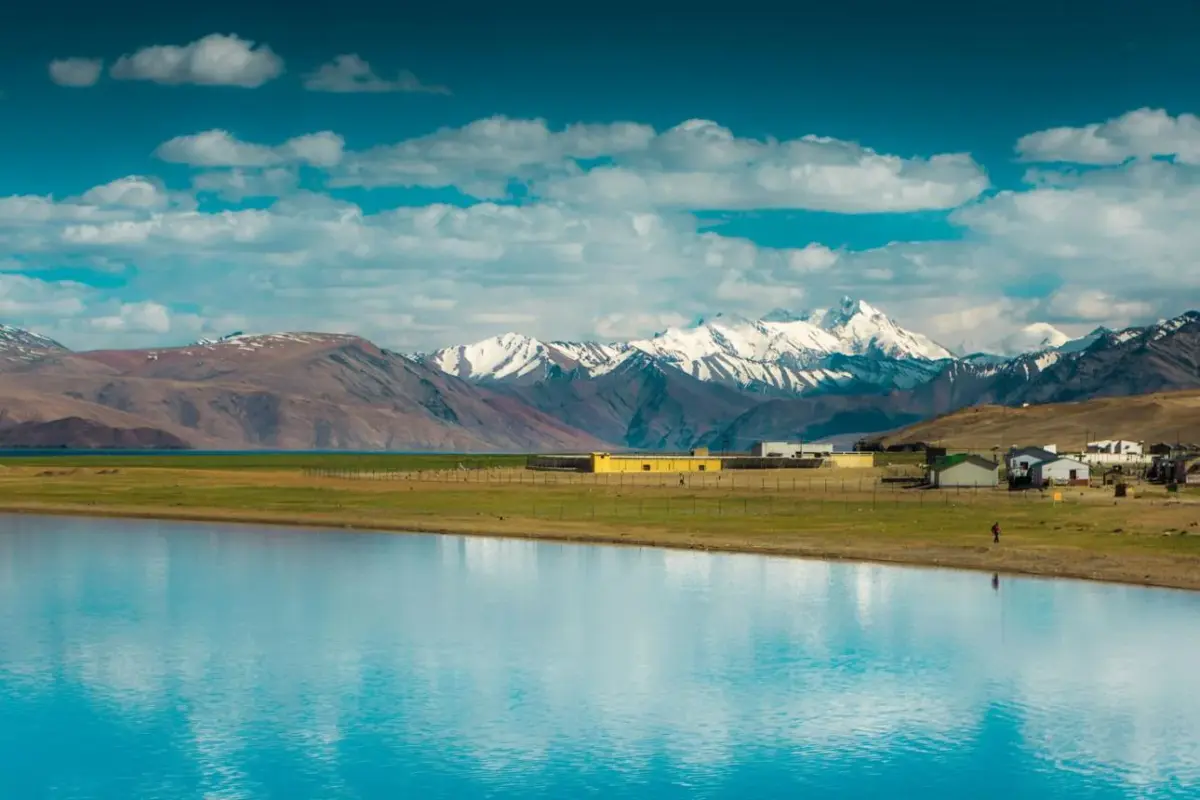
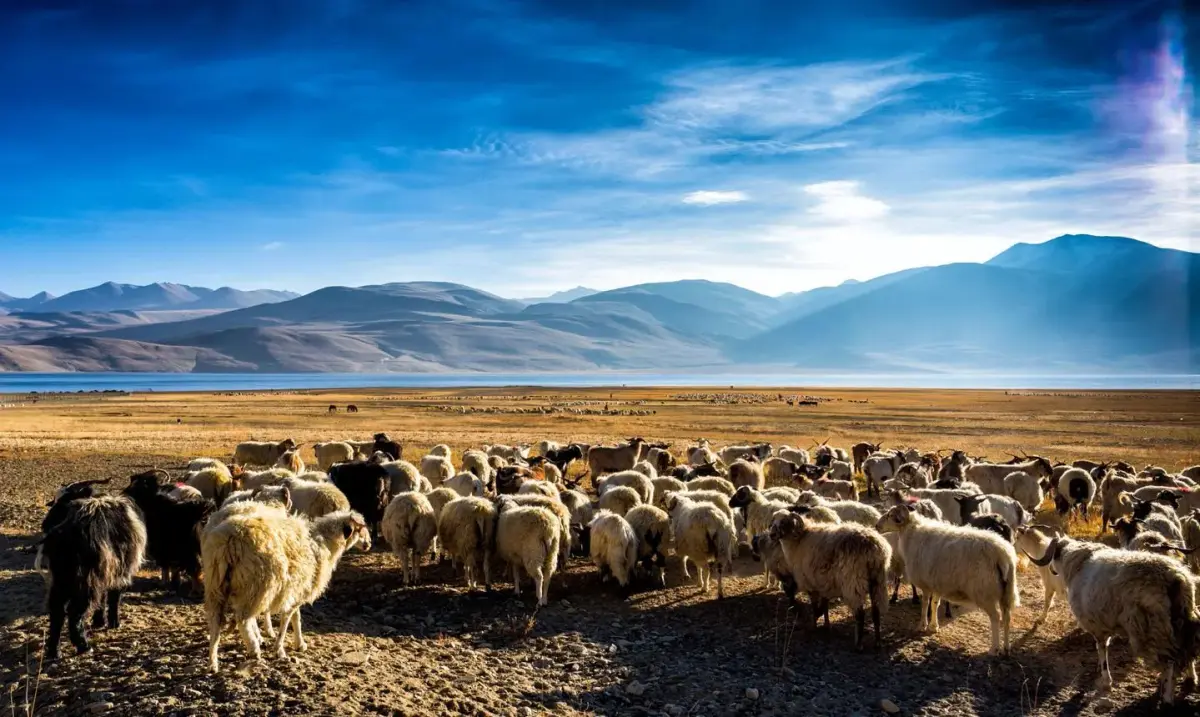
A more remote and silent experience:
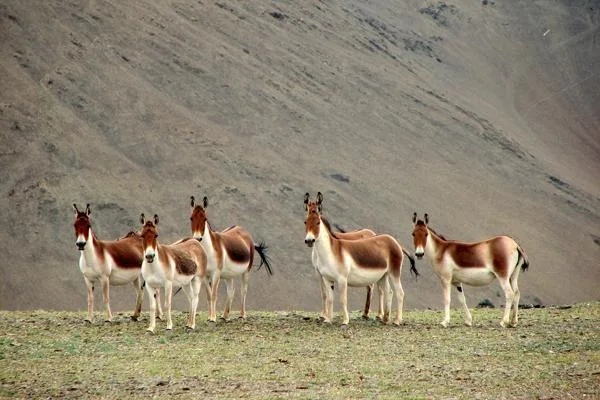
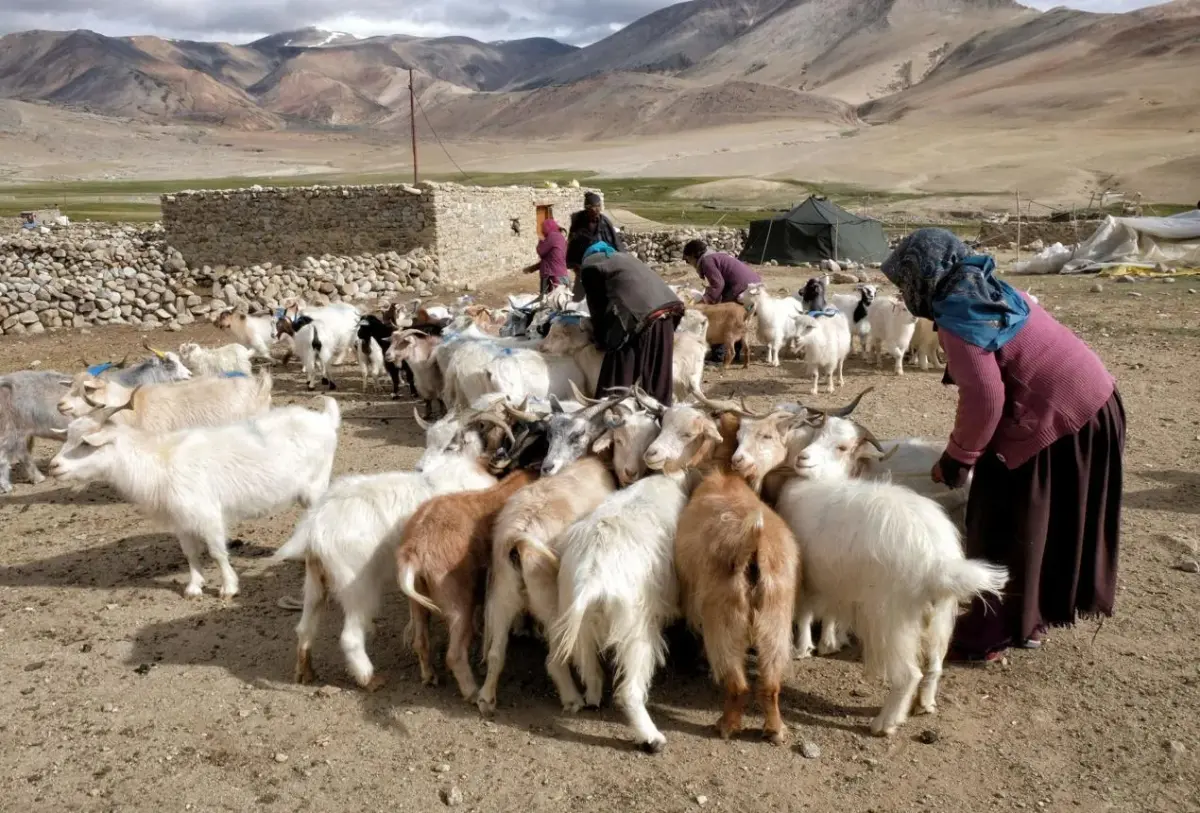
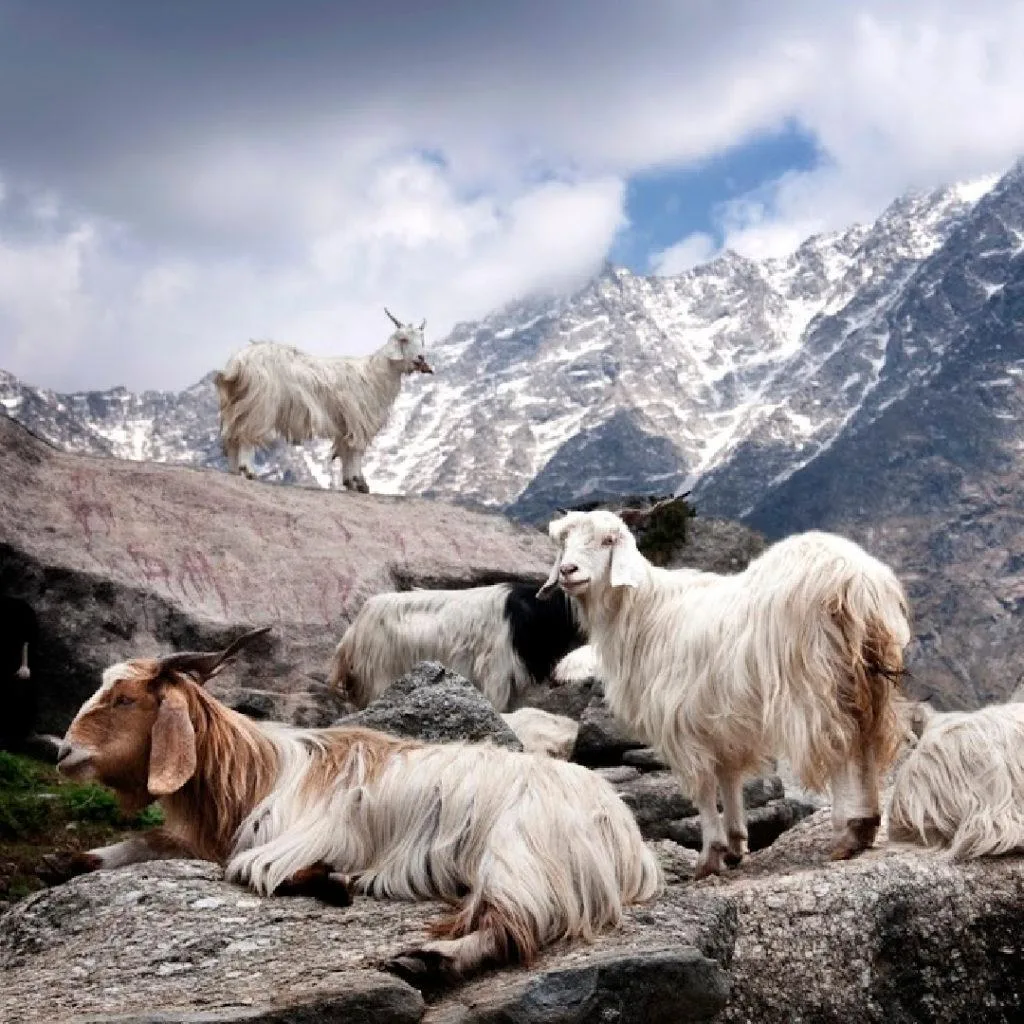
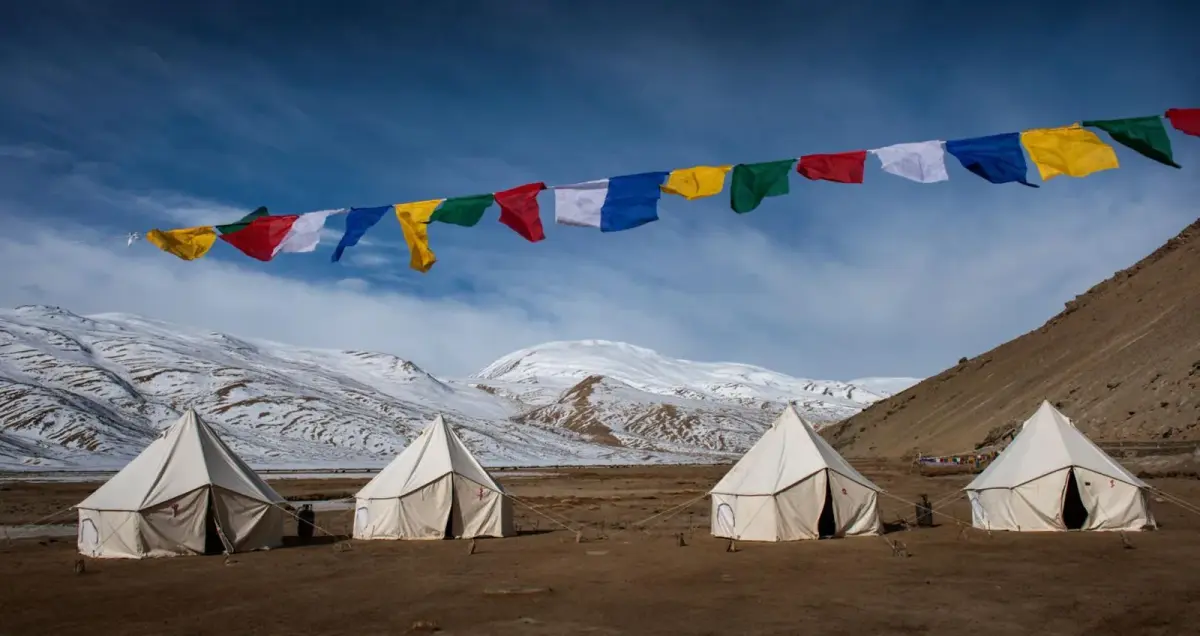
The Changpa represent human adaptation to one of the most extreme environments there is:
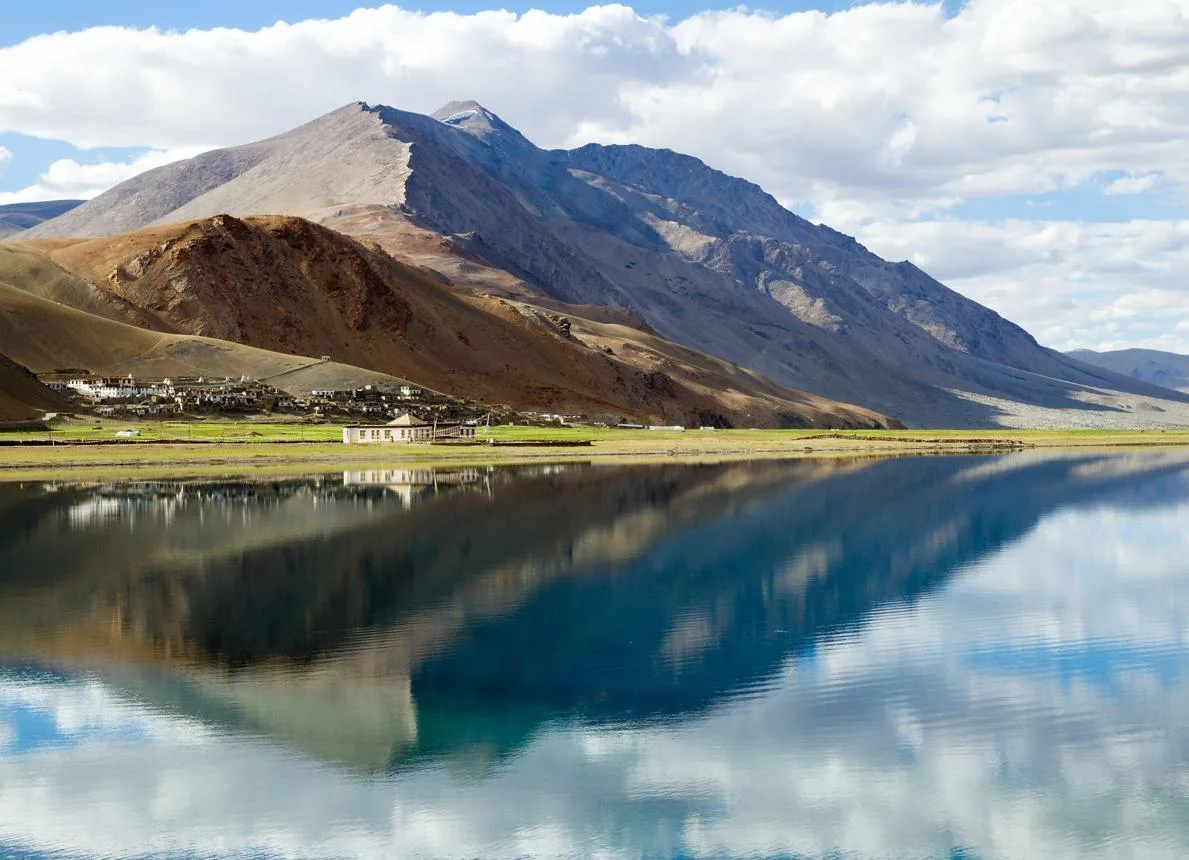
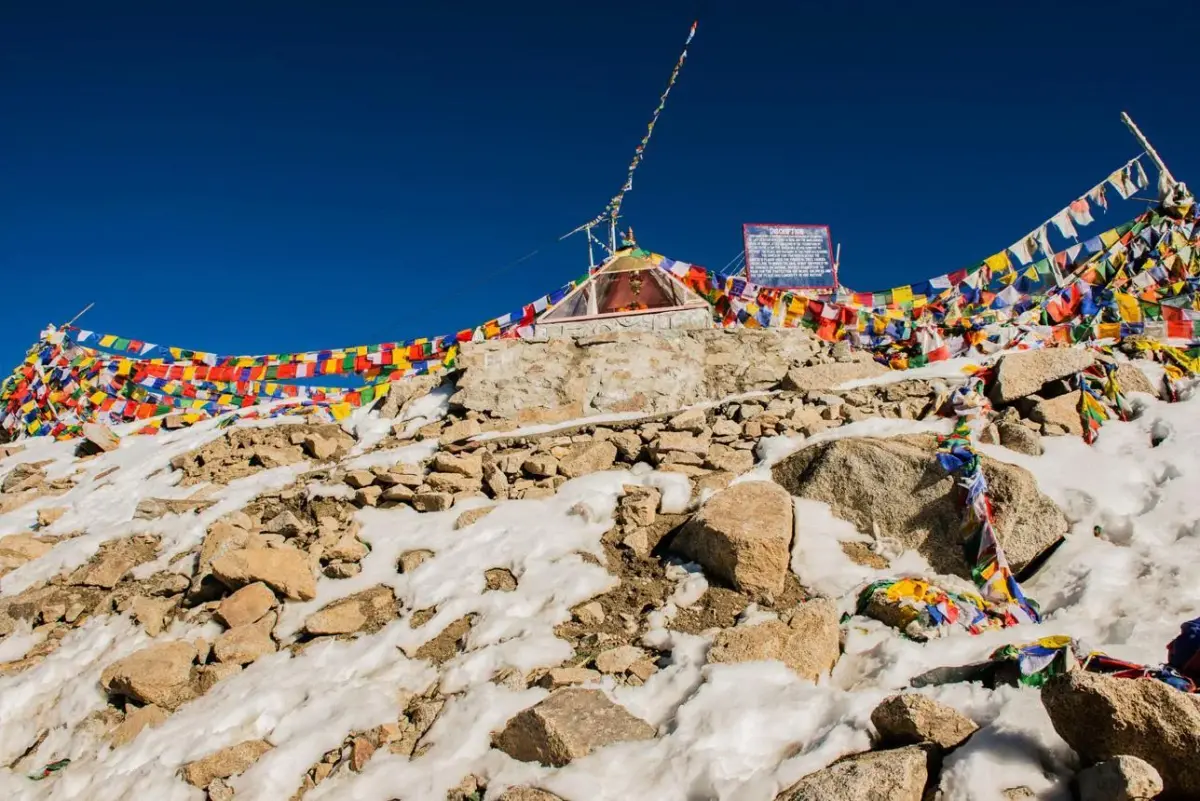
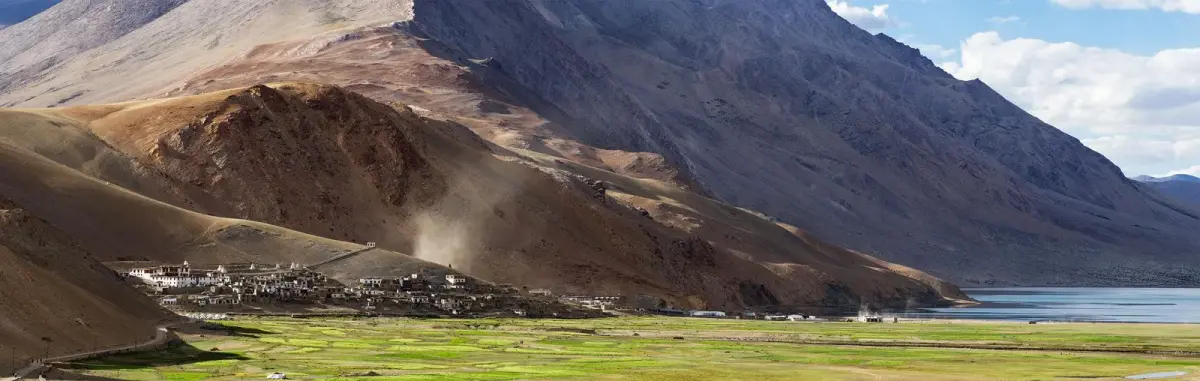
This stage takes you to a physical limit — altitude, climate, isolation — and opens an experience of immensity and radical silence. Changthang is neither comfortable nor easy, but it is profoundly transformative. It is where the journey stops being external and becomes entirely inward.
Does this trip resonate with you? Book your spot or contact us for more information.
Book a spot